

Canvas vs Leather Sneakers: Which Survives Kenyan Weather?
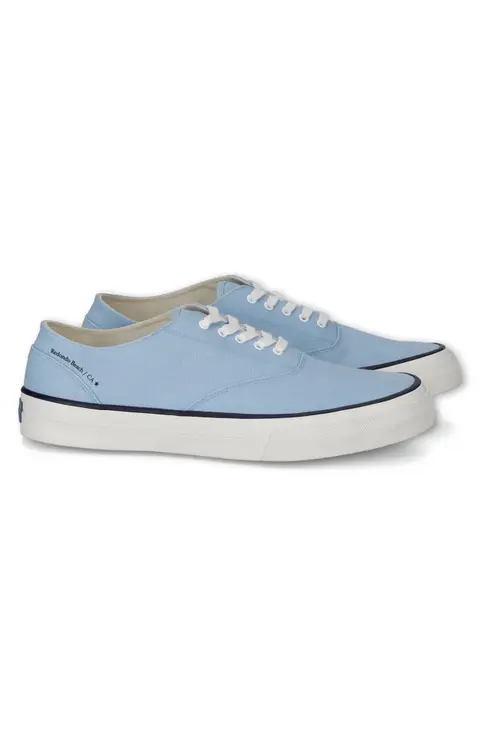
When you are deciding between canvas vs leather sneakers, the weather should be part of the conversation. Kenya has plenty of warm days, dusty roads, sudden showers and, depending on the region and season, prolonged wet conditions. The sneaker material you choose can affect comfort, cleaning, durability and how often you actually want to wear the pair.
Canvas sneakers are lightweight, casual and generally breathable. Leather sneakers offer a more structured appearance and can be easier to wipe clean when dealing with everyday dust and light splashes.
But canvas vs leather sneakers is not simply a case of one material being better than the other.
The right choice depends on where you live, how often you walk, whether you regularly encounter rain, how much maintenance you are willing to do and how much value you expect from the pair.
A Nairobi commuter has different requirements from someone living at the Coast. Someone who mainly wears sneakers indoors has different needs from someone who walks several kilometres every day.
This guide compares canvas vs leather sneakers across breathability, rain resistance, cleaning, comfort, durability, style and cost per wear in KES.
Canvas vs Leather Sneakers: The Quick Answer
Canvas vs leather sneakers each have clear advantages. Canvas is generally lighter and more breathable, while leather offers a more structured finish and can be easier to wipe clean. Neither material should automatically be treated as waterproof.
If you want a quick rule:
Choose canvas when you prioritise:
- Breathability
- Lightweight comfort
- Casual styling
- Warm-weather wear
- Easy everyday outfits
Choose leather when you prioritise:
- A structured appearance
- Easy surface cleaning
- A more polished casual look
- Resistance to light splashes
- Versatility with smart-casual clothing
However, construction matters.
A high-quality canvas sneaker can outperform a poorly made leather sneaker, while a well-constructed leather sneaker can provide better long-term value than a low-quality canvas pair.
That is why canvas vs leather sneakers should always be evaluated at both the material and individual-shoe level.
Canvas vs Leather Sneakers for Kenyan Weather
Kenyan weather makes material choice important because sneakers may encounter heat, dust, rain and changing conditions in the same week. Canvas generally suits warm, dry conditions well, while leather can be practical when easy surface cleaning and a more protective upper are priorities.
Kenya’s climate is not the same everywhere.
Nairobi can have cool mornings, warm afternoons and sudden rain.
Mombasa and other coastal areas can feel considerably hotter and more humid.
Other parts of the country experience different combinations of heat, dust and rainfall.
This means canvas vs leather sneakers does not have one answer for every Kenyan buyer.
If you mainly experience hot, dry conditions, canvas can feel comfortable because of its lightweight construction.
If you regularly encounter dusty streets and occasional splashes, leather may offer an easier-to-maintain surface.
For particularly wet conditions, however, neither ordinary canvas nor ordinary leather should automatically be considered waterproof.
The construction and treatment of the specific sneaker matter.
Canvas vs Leather Sneakers for Hot Days
Canvas is often the more comfortable choice for hot weather because it can allow more airflow than many leather uppers. Leather can still be worn in warm weather, but the overall construction and lining influence how warm the sneaker feels.
Hot weather can make your feet uncomfortable quickly.
A heavy, poorly ventilated sneaker may feel noticeably warmer during a long day.
Canvas has an advantage here.
Its woven construction can allow air to move through the upper, depending on the weave, lining and design.
That makes canvas attractive for:
- Weekend errands
- Casual outings
- Travel
- Warm afternoons
- Everyday walking
Leather can still work in warm weather, especially for shorter periods or indoor environments.
But in the canvas vs leather sneakers comparison, canvas generally has the advantage when maximum breathability is the priority.
Canvas vs Leather Sneakers in the Rain
Leather generally handles light rain and surface splashes better than untreated canvas, but ordinary leather sneakers are not automatically waterproof. Canvas absorbs water more readily, so neither material should be relied on for prolonged exposure to heavy rain.
This distinction is important.
Many people assume leather equals waterproof.
It does not.
A leather sneaker can resist some surface moisture, particularly when properly treated, but prolonged exposure to water can still cause problems.
Canvas can become wet more quickly because water can penetrate the fabric.
For Kenyan rainy seasons, consider how much rain you actually encounter.
If you regularly walk through puddles, neither ordinary canvas nor ordinary leather may be the ideal solution.
For more guidance, see Rainy Season Shoes.
When comparing canvas vs leather sneakers, think of leather as potentially more practical for light wet conditions rather than automatically waterproof.
Canvas vs Leather Sneakers: Which Is More Breathable?
Canvas generally wins the breathability comparison because its fabric construction can allow more airflow. Leather can feel warmer, although perforations, mesh panels and other design features can change the experience.
Breathability matters when you spend long hours in sneakers.
It can be particularly useful in:
- Hot weather
- Long walks
- Travel
- Casual outdoor activities
- Warm indoor environments
Canvas sneakers are naturally associated with lightweight casual wear.
Leather sneakers are more structured.
However, do not judge breathability solely by the material name.
Look at the complete upper.
A leather sneaker with ventilation panels may feel different from a solid leather model.
Likewise, tightly woven canvas with a thick lining may not feel as airy as you expect.
Still, in a straightforward canvas vs leather sneakers comparison, canvas generally has the advantage for airflow.
Canvas vs Leather Sneakers for Nairobi Dust
Leather can be easier to maintain on dusty Nairobi streets because surface dirt can often be wiped away more easily. Canvas can also be cleaned effectively, but dirt may become more embedded in the fabric.
Nairobi dust can quickly change the appearance of light-coloured footwear.
White sneakers are particularly unforgiving.
With leather, surface dust can often be removed with a suitable cloth and appropriate cleaning method.
Canvas may require more deliberate cleaning.
You may need to:
- Brush away loose dirt.
- Use a suitable mild cleaning solution.
- Work carefully across the fabric.
- Remove residue.
- Allow the shoes to dry properly.
For more information, see How to Clean Canvas Shoes.
The canvas vs leather sneakers choice can therefore come down to how much cleaning you are prepared to do.
Canvas vs Leather Sneakers: Which Is Easier to Clean?
Leather sneakers are generally easier to wipe clean when dealing with surface dust and small spills, while canvas sneakers often require more involved cleaning. However, cleaning methods must match the material to avoid damaging the sneaker.
Leather should not simply be treated like plastic.
Different leather finishes require different care.
Canvas also requires caution.
Avoid aggressive scrubbing that could damage the fabric.
For white sneakers in particular, cleaning regularly is better than allowing dirt to accumulate for months.
Our guide on How to Clean White Sneakers provides additional advice.
In the canvas vs leather sneakers comparison, leather has a practical advantage for quick surface maintenance.
Canvas has an advantage when you prefer a lightweight, casual material.
Canvas vs Leather Sneakers for Durability
Durability depends on the quality of construction, how the sneaker is used and how it is maintained. Leather can be highly durable when properly cared for, while good canvas sneakers can also provide excellent everyday service.
Material alone does not determine lifespan.
Look at:
- Stitching
- Sole attachment
- Outsole quality
- Upper construction
- Heel reinforcement
- Toe construction
A sneaker worn occasionally will naturally experience less wear than one used every day.
Walking distance also matters.
Someone commuting across Nairobi on foot places greater demands on their sneakers than someone who mainly drives.
The canvas vs leather sneakers durability decision should therefore consider both material and construction.
Canvas vs Leather Sneakers: Comfort and Break-In Time
Canvas sneakers often feel flexible and comfortable quickly, while leather may require a short break-in period depending on the leather and construction. Comfort ultimately depends on the shape and fit of the specific sneaker.
Canvas is generally associated with a soft, flexible casual feel.
Leather can initially feel more structured.
Over time, quality leather may become more comfortable as it responds to wear.
But never rely on break-in time to fix a fundamentally poor fit.
A sneaker that is painfully tight should not be purchased with the expectation that it will magically become perfect.
Check:
- Toe room
- Width
- Heel security
- Pressure points
- Flexibility
For more guidance, read How Should Sneakers Fit?.
In canvas vs leather sneakers, the best material is the one attached to a sneaker that actually fits your foot.
Canvas vs Leather Sneakers for Everyday Wear
Canvas is excellent for relaxed everyday outfits, while leather sneakers can move more easily between casual and smart-casual clothing. Your existing wardrobe should influence which material gives you more value.
Canvas works naturally with:
- Jeans
- Shorts
- T-shirts
- Casual trousers
- Hoodies
Leather sneakers can work with:
- Jeans
- Chinos
- Smart-casual trousers
- Polo shirts
- Casual button-down shirts
That makes leather particularly useful for buyers who want one pair to serve multiple dress codes.
However, colour matters.
A clean white canvas sneaker may be just as versatile as a white leather sneaker.
The canvas vs leather sneakers decision should therefore include both material and colour.
Canvas vs Leather Sneakers for Office Casual
Leather sneakers generally have an advantage in office-casual environments because their structured finish can look more polished. Clean canvas sneakers can also work where the workplace dress code is relaxed.
Workplace expectations differ.
Some Nairobi offices are formal.
Others allow modern smart-casual clothing.
If sneakers are acceptable, choose:
- Clean shoes
- Neutral colours
- Minimal damage
- Simple silhouettes
Avoid wearing heavily worn athletic footwear to a setting that expects polished clothing.
Leather can make a sneaker appear more refined.
Canvas can create a more relaxed look.
For more styling ideas, see Sneakers for Office Casual.
The canvas vs leather sneakers winner for work depends on how formal your workplace is.
Canvas vs Leather Sneakers for Travel
Canvas sneakers can be excellent travel shoes because they are often lightweight and breathable, while leather sneakers can provide a more polished option that works across multiple settings. Choose based on the trip rather than the material alone.
For travel, versatility is valuable.
You may need one pair for:
- Airports
- City walking
- Restaurants
- Shopping
- Casual evenings
A leather sneaker may transition more easily from daytime walking to dinner.
Canvas may be more comfortable in hot destinations.
If you are packing light, consider how many outfits the sneaker works with.
You can also read Best Travel Shoes for broader travel-footwear advice.
When comparing canvas vs leather sneakers, travel requirements can change the answer.
Canvas vs Leather Sneakers: Cost Per Wear in KES
Cost per wear is more useful than purchase price when comparing canvas vs leather sneakers because it considers how often and how long you actually use the pair. A more expensive sneaker can provide better value if it becomes a reliable part of your wardrobe.
Use a simple calculation:
Cost per wear = purchase price ÷ number of wears
For example, imagine a hypothetical sneaker costs KES 8,000.
If you wear it 100 times:
KES 8,000 ÷ 100 = KES 80 per wear.
If another pair costs KES 5,000 but you wear it only 25 times:
KES 5,000 ÷ 25 = KES 200 per wear.
The cheaper shoe has actually cost more per use.
This is why canvas vs leather sneakers should not be judged entirely by the initial KES price.
Actual Euromoda prices and promotions can vary by brand, model and availability, so compare the specific pair you are considering.
How to Care for Canvas Sneakers
Canvas sneakers last longer when dirt is removed regularly and the shoes are cleaned gently. Avoid excessive soaking, harsh chemicals and aggressive drying methods.
A simple routine is:
- Remove loose dirt with a soft brush.
- Clean with a suitable mild solution.
- Work gently across the fabric.
- Remove residue.
- Air dry naturally.
- Store somewhere dry.
Do not leave damp sneakers in a closed bag.
Good maintenance can significantly improve the useful life of canvas footwear.
For a broader selection and styling ideas, explore Canvas Shoes in Kenya.
In the canvas vs leather sneakers comparison, canvas rewards regular cleaning and careful handling.
How to Care for Leather Sneakers
Leather sneakers benefit from regular dust removal, appropriate cleaning and conditioning when required. Keeping leather away from excessive moisture and heat can help protect its appearance and structure.
Start by removing surface dust.
Then use a cleaning method appropriate for the type of leather.
Avoid:
- Harsh detergents
- Excessive soaking
- Extreme heat
- Unapproved chemicals
If the sneaker becomes wet, allow it to dry naturally.
Do not place leather sneakers directly against a strong heat source.
Proper care can help leather retain its appearance for longer.
This is an important consideration when comparing canvas vs leather sneakers for long-term use.
Canvas vs Leather Sneakers for Different Kenyan Locations
The best canvas vs leather sneakers choice can change depending on where and how you live. Hot coastal conditions may favour breathable canvas, while dusty urban commuting may make easy-to-clean leather attractive.
Nairobi
Consider dust, commuting and changing weather.
Mombasa and the Coast
Breathability can become especially important in hot, humid conditions.
Cooler Highland Areas
Either material may work depending on your daily activities and weather exposure.
Rural or Rougher Roads
Pay greater attention to outsole durability and construction regardless of material.
The canvas vs leather sneakers decision should reflect your environment rather than a generic recommendation.
Common Mistakes When Choosing Between Canvas and Leather
The biggest canvas vs leather sneakers mistakes are assuming one material is always better, ignoring weather exposure and buying based entirely on appearance. The best choice starts with your daily routine.
Mistake 1: Assuming Leather Is Waterproof
Leather may resist some moisture, but ordinary leather sneakers are not automatically waterproof.
Mistake 2: Assuming Canvas Cannot Handle Any Rain
Light exposure is different from prolonged soaking, although canvas generally absorbs water more readily.
Mistake 3: Ignoring Breathability
Hot-weather buyers should consider ventilation.
Mistake 4: Buying the Wrong Size
Material cannot compensate for poor fit.
Mistake 5: Ignoring Maintenance
Both materials require appropriate care.
Mistake 6: Looking Only at Price
Think about cost per wear.
Avoiding these mistakes makes the canvas vs leather sneakers decision considerably easier.
Seven Smart Questions to Ask Before Buying
The easiest way to choose canvas vs leather sneakers is to answer seven questions about your environment, wardrobe, comfort and budget. These questions can quickly identify which material makes more sense for you.
1. How hot is your normal environment?
If you regularly deal with heat, breathability may favour canvas.
2. How much rain do you encounter?
Frequent wet conditions may influence your material choice, but neither ordinary canvas nor leather should automatically be considered waterproof.
3. How much walking do you do?
Long walking requires appropriate cushioning, fit and sole construction.
4. How often will you clean the shoes?
If quick cleaning matters, leather may have an advantage.
5. What clothes will you wear them with?
Think about your existing wardrobe.
6. What is your KES budget?
Compare price against expected use.
7. Which pair actually fits better?
This should always be one of the final deciding factors.
These questions turn canvas vs leather sneakers into a practical buying decision rather than a simple material debate.
FAQ: Canvas vs Leather Sneakers
Which is better, canvas or leather sneakers?
Neither material is universally better. Canvas is generally lighter and more breathable, while leather can offer a more structured look and easier surface cleaning.
Are canvas sneakers good for Kenya?
Yes, canvas sneakers can be excellent for everyday Kenyan wear, particularly in warm and dry conditions. Their lightweight construction makes them practical for casual use.
Are leather sneakers good for Kenyan weather?
Leather sneakers can work well in Kenya, particularly when you want a structured shoe that is relatively easy to wipe clean. They should not automatically be treated as waterproof.
Which is more breathable?
Canvas is generally more breathable than solid leather. However, the specific upper construction can affect ventilation.
Which is better in rain?
Leather may handle light splashes better than untreated canvas, but neither ordinary canvas nor leather sneakers should be considered waterproof without appropriate construction or treatment.
Which is easier to clean?
Leather is generally easier to wipe clean when dealing with surface dust. Canvas often requires more detailed cleaning.
Which lasts longer?
Durability depends on construction, usage and maintenance. Good-quality leather can be durable, while well-made canvas sneakers can also last through extensive everyday use.
Are leather sneakers more expensive?
Prices vary by brand, model, construction and promotions. Leather can cost more in some product ranges, but you should compare actual KES prices rather than assume.
Which is better for Nairobi?
Both can work in Nairobi. Canvas may suit hot-weather casual wear, while leather can be useful when easy surface cleaning and a polished appearance are priorities.
Can I wear canvas sneakers in the rain?
You can encounter light rain in canvas sneakers, but prolonged exposure can saturate the fabric. Allow wet shoes to dry properly and avoid excessive heat.
Can leather sneakers get wet?
Yes, but prolonged moisture can damage leather. Dry them naturally and use care products appropriate for the leather type.
Which is better for office casual?
Leather sneakers often have an advantage because they can look more polished. Clean, understated canvas sneakers can also work in relaxed offices.
Which is better for hot weather?
Canvas generally has the advantage for hot-weather breathability. Look for lightweight construction and good ventilation.
Final Verdict: Canvas vs Leather Sneakers
Canvas vs leather sneakers is ultimately a choice between different strengths. Canvas is lightweight, breathable and naturally casual, while leather offers structure, easy surface cleaning and a more polished appearance.
Choose canvas if your priorities are:
- Breathability
- Lightweight comfort
- Warm-weather wear
- Casual styling
- Easy everyday outfits
Choose leather if your priorities are:
- Structured styling
- Easy surface cleaning
- Smart-casual versatility
- Resistance to light splashes
- A more polished appearance
For Kenyan weather, neither material should be treated as a universal solution.
If you live in a hot environment and spend most of your time in casual settings, canvas may be the more comfortable everyday choice.
If you commute through dusty streets and want a sneaker that can move between casual and smart-casual outfits, leather may make more sense.
Ultimately, the best canvas vs leather sneakers choice is the pair that fits properly, suits your environment, matches your wardrobe and delivers good value for the KES you spend.
Think about how you will actually wear the shoes before buying.
The right sneaker is not necessarily the one with the most fashionable material. It is the one you can comfortably wear, maintain and rely on throughout your everyday life.