

How Should Sneakers Fit? The Thumb Rule and Four Others
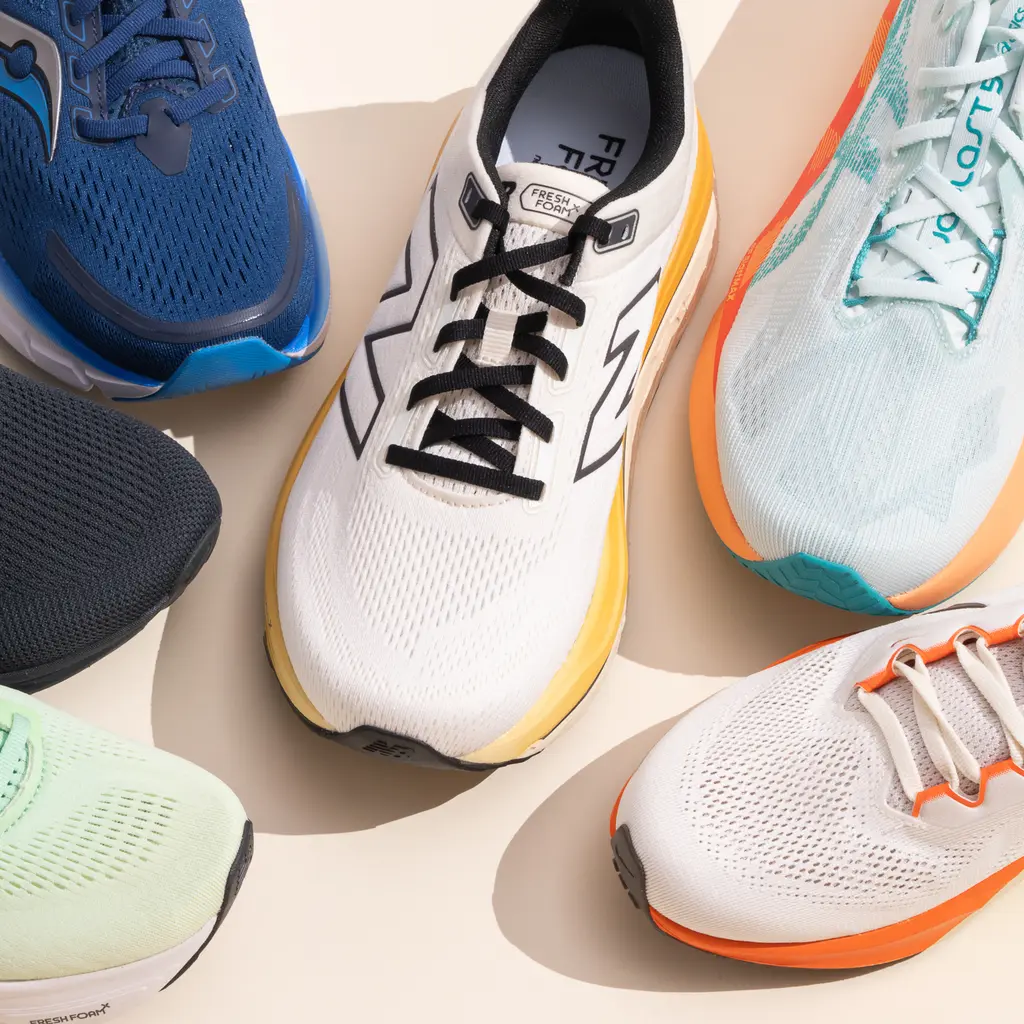
How should sneakers fit? The ideal sneaker should feel secure at the heel and midfoot while leaving enough room for your toes to move naturally. The thumb rule is a useful starting point, but width, heel lock, lacing and overall comfort also determine whether a sneaker truly fits.
Buying sneakers based only on appearance is easy.
Getting the fit right is harder.
A sneaker can look perfect on your feet but still be too short, too narrow, too loose or poorly suited to your foot shape. That can become particularly noticeable when you spend several hours walking, commuting, travelling or exercising.
So, how should sneakers fit before you spend your money?
The answer involves more than simply choosing your usual size.
You need to check the space in front of your toes, how securely the heel sits, whether the width feels comfortable and whether the lacing system can hold your foot properly.
This guide explains how should sneakers fit in practical terms, including the thumb rule and four other checks you can perform before buying.
How Should Sneakers Fit? Start With the Thumb Rule
How should sneakers fit according to the thumb rule? You should generally have roughly a thumb’s width of space between your longest toe and the front of the sneaker when standing naturally.
The thumb rule is one of the easiest ways to check sneaker length.
Stand up while wearing the sneakers.
Make sure your heel is positioned correctly at the back.
Then check the space between your longest toe and the front of the shoe.
You want enough room for natural movement without excessive empty space.
The exact amount should not be treated as a mathematical measurement for every sneaker, but it is a useful practical check.
How Should Sneakers Fit Around the Toes?
How should sneakers fit around your toes? Your toes should have enough room to spread and move naturally without pressing against the front or sides of the sneaker.
Your toes should not feel:
- Cramped
- Folded
- Pressed together
- Pushed against the front
- Compressed from the sides
A sneaker that is too short can become uncomfortable during walking or running.
Your feet can also swell slightly during prolonged activity, making a shoe that initially feels just acceptable feel much tighter later.
How Should Sneakers Fit at the Heel?
How should sneakers fit at the heel? The heel should remain reasonably secure while walking, with minimal excessive lifting or sliding.
Some slight movement can occur naturally.
However, excessive heel movement can cause:
- Rubbing
- Blisters
- Instability
- Discomfort
- Poor walking mechanics
Put on both sneakers and walk normally.
Do not judge heel fit while sitting down.
Standing and walking provide a much better indication.
How Should Sneakers Fit Across the Width?
How should sneakers fit across the width? The sneaker should comfortably hold your foot without squeezing the sides or allowing excessive sideways movement.
A shoe can have the correct length and still be too narrow.
Pay particular attention to:
- Forefoot
- Little-toe area
- Midfoot
- Heel
If you feel pressure along the sides, try a wider model rather than automatically buying a longer size.
How Should Sneakers Fit Through the Midfoot?
How should sneakers fit through the midfoot? The middle of the sneaker should feel secure without creating uncomfortable pressure across the top or sides of your foot.
The laces should help secure the foot.
They should not need to be pulled extremely tight simply to stop your foot from moving.
If you have to overtighten the laces, the shoe may not be the right shape for your foot.
How Should Sneakers Fit When Walking?
How should sneakers fit when walking? They should remain comfortable and secure as your foot moves through each step, without your toes hitting the front or your heel repeatedly slipping.
Take several steps.
Walk at your normal pace.
Turn.
Stop.
Start again.
Notice how your feet feel.
A sneaker that feels good after one step may feel very different after ten minutes.
How Should Sneakers Fit for Running?
How should sneakers fit for running? Running sneakers generally need secure heel and midfoot support with sufficient room around the toes, because feet can swell and move differently during longer runs.
When testing running shoes, consider:
- Toe room
- Heel security
- Width
- Cushioning
- Upper flexibility
- Sock thickness
Your running shoe should not feel painfully tight.
It should also not feel so loose that your foot slides around.
How Should Sneakers Fit for Everyday Wear?
How should sneakers fit for everyday wear? Everyday sneakers should prioritise comfortable length, appropriate width and secure heel fit because you may wear them for several hours at a time.
Think about your actual routine.
Will you use them for:
- Walking around Nairobi?
- Shopping?
- Commuting?
- Travelling?
- Work?
- Weekend outings?
The answer can influence the type of fit you need.
For more footwear choices, browse the Euromoda shoes collection.
How Should Sneakers Fit With Socks?
How should sneakers fit with socks? Try sneakers with the type of socks you expect to wear regularly because sock thickness can change the available space inside the shoe.
A thin fashion sock and a thick sports sock can produce noticeably different results.
If you intend to use the sneakers for running, test them with your normal running socks.
If they are casual sneakers, use your everyday socks.
How Should Sneakers Fit When Standing?
How should sneakers fit when standing? Always check the fit while standing because your feet carry your full body weight and can spread slightly compared with when you are seated.
Stand naturally.
Check:
- Toe room
- Width
- Heel position
- Overall comfort
Then walk around.
This gives you a much more realistic assessment.
How Should Sneakers Fit on Both Feet?
How should sneakers fit when your feet are slightly different sizes? Fit both feet and use the larger foot as the primary reference. It is common for one foot to be slightly longer or wider than the other.
Never test only one sneaker.
Put both on.
Walk around.
If one foot feels tighter, investigate why.
A difference may be due to foot shape rather than the wrong overall size.
How Should Sneakers Fit If You Are Between Sizes?
How should sneakers fit when your foot measurement falls between two sizes? Use the manufacturer’s sizing information and consider the sneaker’s shape, intended use and available width options before choosing.
Do not automatically size up.
Do not automatically size down.
Consider:
- Foot length
- Foot width
- Toe-box shape
- Upper material
- Intended activity
A running sneaker may need different space from a fitted lifestyle sneaker.
How Should Sneakers Fit: The Lacing Test
How should sneakers fit using the lacing system? Your laces should secure the foot comfortably without creating excessive pressure across the top of your foot.
Try tying the sneakers normally.
Then walk.
If your heel still moves excessively, some models offer additional eyelets or heel-lock lacing techniques.
However, lacing should not be used to compensate for a fundamentally incorrect shoe size.
The Heel-Lock Lacing Technique
A heel-lock lace setup can help reduce unnecessary heel movement when the sneaker is otherwise correctly sized. It should improve security without making the shoe painfully tight.
Many running shoes include an additional top eyelet.
Using it can help create a more secure heel hold.
But remember:
Lacing can improve fit. It cannot completely fix the wrong shoe size.
How Should Sneakers Fit for Wide Feet?
How should sneakers fit if you have wide feet? Look for sufficient room across the forefoot and avoid shoes that compress the sides of your feet.
Signs that a sneaker may be too narrow include:
- Little-toe pressure
- Side bulging
- Numbness
- Red marks
- Difficulty spreading your toes
Do not assume that buying a longer sneaker solves width problems.
A wider model may be the better option.
How Should Sneakers Fit for Narrow Feet?
How should sneakers fit if you have narrow feet? The shoe should hold your foot securely without allowing excessive sideways movement or heel slipping.
Look for:
- Secure heel
- Adjustable lacing
- Appropriate midfoot fit
- Suitable upper construction
A sneaker that is too roomy can become uncomfortable during walking.
How Should Sneakers Fit for High Arches?
How should sneakers fit with high arches? Focus on overall comfort, midfoot pressure and the way the upper interacts with the top of your foot rather than selecting a size based solely on length.
If the upper presses heavily against the top of your foot, the shoe may not suit your foot shape.
Try another model before simply changing size.
How Should Sneakers Fit for Flat Feet?
How should sneakers fit with flatter arches? Overall length, width and comfort remain the priorities, while the sneaker’s design should suit the way you use your feet.
Do not choose a sneaker solely because it is marketed for a particular foot type.
Actual comfort matters.
How Should Sneakers Fit Compared With Boots?
How should sneakers fit compared with boots? Both should provide appropriate length and secure heel fit, but boots can have different construction, ankle coverage and intended sock combinations.
A boot may feel more structured.
A sneaker may provide greater flexibility.
Do not assume your exact sneaker size will automatically fit every boot.
How Should Sneakers Fit Compared With Sandals?
How should sneakers fit compared with sandals? Sneakers should enclose the foot securely while sandals depend more heavily on straps and footbed shape.
For sandals, the foot should remain comfortably positioned on the footbed.
For sneakers, focus more heavily on:
- Toe room
- Heel security
- Width
- Lacing
If you are shopping for warm-weather footwear, you can also explore sandals in Kenya.
How Should Sneakers Fit for Children?
How should sneakers fit children? Children’s footwear needs sufficient room for natural foot movement without being excessively large. Growth room should not mean buying a shoe that is so large that the child cannot walk securely.
Parents should check the fit regularly because children’s feet can change quickly.
How Should Sneakers Fit for Gym Training?
How should sneakers fit for gym training? Training sneakers should feel secure during movement while allowing comfortable toe movement. The best fit depends on the type of training you perform.
Different activities can have different requirements.
For example:
- Weight training
- Cardio
- Classes
- Indoor sports
- General gym sessions
Choose accordingly.
How Should Sneakers Fit for Sports?
How should sneakers fit for sports? Sports footwear should provide a secure, activity-appropriate fit without unnecessary pressure or movement. Different sports require different shoe designs.
A basketball shoe, running shoe and indoor court shoe should not automatically be expected to fit or perform the same way.
How Should Sneakers Fit: Signs They Are Too Small
How should sneakers fit when they are too small? A shoe may be too small if your toes touch the front, the sides feel compressed or you experience persistent pressure while walking.
Warning signs include:
- Toes hitting the front
- Numbness
- Side pressure
- Pain
- Cramped toes
- Excessive rubbing
Do not ignore these signs.
How Should Sneakers Fit: Signs They Are Too Large
How should sneakers fit when they are too large? Excessive heel movement, foot sliding and difficulty securing the shoe can indicate that the sneaker is too large or the shape does not suit your foot.
Signs include:
- Heel slipping
- Foot sliding forward
- Excessive sideways movement
- Laces pulled extremely tight
- Difficulty walking naturally
Again, the problem may be the model rather than simply the size.
How Should Sneakers Fit: The Five Essential Rules
How should sneakers fit in the simplest possible terms? Use five checks: thumb-space at the front, secure heel, comfortable width, supportive midfoot and effective lacing.
Rule 1: Use the Thumb Rule
Leave appropriate space between your longest toe and the front.
Rule 2: Lock the Heel
Your heel should remain reasonably secure.
Rule 3: Check the Width
Your foot should not be squeezed.
Rule 4: Check the Midfoot
The upper should feel secure but comfortable.
Rule 5: Test the Lacing
Laces should secure the foot without excessive pressure.
How Should Sneakers Fit: Try Them at the Right Time
How should sneakers fit when your feet change during the day? Try sneakers later in the day when possible because feet can become slightly larger after hours of standing and walking.
This can provide a more realistic idea of how the shoes will feel during normal use.
It is particularly useful for:
- Running shoes
- Walking sneakers
- Work shoes
- Travel footwear
How Should Sneakers Fit Before You Buy Online?
How should sneakers fit when you are buying online? Measure your feet first, check the manufacturer’s size chart and compare the measurement with the exact sneaker model you want to purchase.
Before ordering:
- Measure both feet.
- Record the larger measurement.
- Check UK, US or EU sizing.
- Check the manufacturer’s chart.
- Read the fit description.
- Check the return or exchange policy.
For more help with international footwear sizes, read our shoe size conversion Kenya guide.
How Should Sneakers Fit When Comparing Nike and Adidas?
How should sneakers fit when comparing Nike and Adidas? Do not assume the same labelled size will feel identical because different brands and models can use different shapes and constructions.
Some Nike models may feel relatively snug.
Some Adidas models may feel more accommodating.
But neither statement applies universally.
Compare the specific model.
For a detailed comparison, see our guide to Nike vs Adidas sizing.
How Should Sneakers Fit Before Spending Your Money?
How should sneakers fit before you spend your KES? They should feel comfortable immediately, remain secure while walking and provide enough room for natural toe movement.
Do not allow an attractive discount to override fit.
A cheap sneaker that stays in your wardrobe because it hurts is not good value.
A properly fitted pair you wear regularly can be much better value.
Where to Buy Sneakers in Kenya
When deciding how should sneakers fit, buying from a retailer where you can inspect and try footwear can make the decision easier. You can assess the size, width, heel security and overall comfort before committing to the purchase.
You can browse the Euromoda shoe collection for available branded footwear.
You can also shop the Euromoda online collection for footwear and clothing.
FAQ: How Should Sneakers Fit?
How much space should be in front of sneakers?
A commonly used guideline is approximately a thumb’s width of space between your longest toe and the front of the sneaker while standing, although the exact fit depends on the shoe and your foot.
Should my toes touch the end of my sneakers?
No. Your toes should not repeatedly press against the front of the sneaker when standing or walking.
Should sneakers feel tight at first?
They should feel secure but not painfully tight. Significant pressure or cramped toes are signs that the shoe may not be the right fit.
Should my heel move in sneakers?
A small amount of movement can occur, but excessive heel lifting or sliding indicates that the shoe may not be securing your foot properly.
Should I size up if sneakers feel narrow?
Not necessarily. If the length is already correct, a wider model may be more appropriate than simply buying a longer shoe.
Should I buy sneakers half a size bigger?
Only when the specific shoe and your measurements indicate that additional length is appropriate. Do not automatically size up.
How do I know if sneakers are too small?
Toe pressure, cramped toes, side compression, numbness and persistent pain are common warning signs.
How do I know if sneakers are too big?
Excessive heel movement, foot sliding and difficulty securing the shoe can indicate excessive space.
Should I try sneakers with socks?
Yes. Try them with the socks you normally expect to wear because sock thickness affects the fit.
Should I measure both feet?
Yes. Measure both feet and use the larger measurement when selecting your starting size.
Final Verdict
How should sneakers fit? They should feel secure, comfortable and appropriately spacious without allowing excessive movement. The thumb rule is a useful starting point, but the best fit comes from checking length, width, heel security, midfoot comfort and lacing together.
Before buying, remember the five rules:
1. Leave appropriate thumb space.
2. Keep the heel secure.
3. Make sure the width is comfortable.
4. Check the midfoot.
5. Use the laces to secure—not rescue—the fit.
Whether you are buying running shoes, lifestyle sneakers or everyday footwear, do not choose a pair based solely on the size number.
Measure your feet.
Try both shoes.
Walk around.
Check the toe room.
Check the heel.
Then decide.
If you are still asking how should sneakers fit, remember the simplest answer: comfortable, secure and spacious enough for natural movement.
Shop Branded Footwear at Euromoda Kenya
Email: info@euromoda.ke
Call/WhatsApp: +254 700 000 000 | +254 711 000 000
Visit Our Store: Euromoda Flagship Store, Nairobi, Kenya
Website: https://euromoda.ke/
Delivery: Same-day delivery within Nairobi and express delivery countrywide, subject to availability and location.