

Rainy Season Shoes: What to Wear When Nairobi Floods
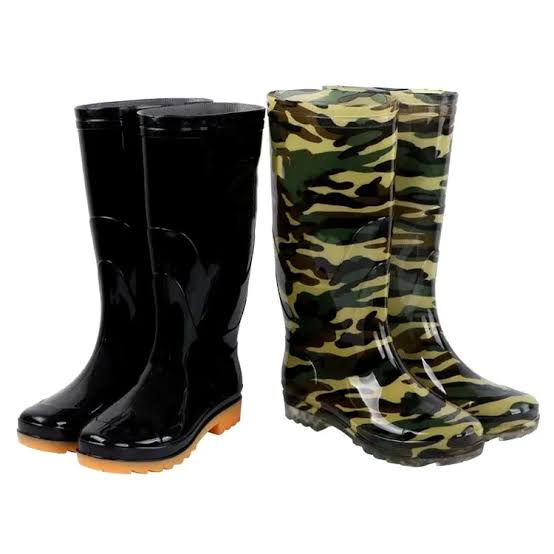
Finding the right rainy season shoes can make Nairobi’s wet days far easier to manage. When heavy rain turns pavements into puddles and your normal route becomes muddy or slippery, the shoes you wear can affect your comfort, safety and even how the rest of your day goes.
The best rainy season shoes should do more than simply keep your feet dry. They should provide useful grip, remain comfortable during commuting, handle splashes and mud, and still work with your everyday wardrobe.
For many people in Nairobi, that means choosing between boots, closed shoes with grippy soles and practical sneakers for lighter rain. It also means knowing which shoes should stay safely indoors when the weather becomes serious.
This guide explains how to choose rainy season shoes for Nairobi, what works during heavy rain and puddles, and how to keep your footwear looking good throughout the wet season.
Rainy Season Shoes: What Actually Works in Nairobi?
The best rainy season shoes for Nairobi combine reliable grip, suitable water resistance and all-day comfort. Boots are often the strongest option for heavy rain and puddles, while closed shoes with good soles can work well during lighter showers.
Nairobi weather can change quickly.
You may leave home when the streets are dry and find yourself walking through rain before lunchtime. This makes choosing rainy season shoes more complicated than simply buying a waterproof-looking pair.
The right shoe depends on your daily routine.
Ask yourself:
- How far do I walk every day?
- Do I use public transport?
- Do I regularly encounter puddles?
- Do I work in an office?
- Do I need shoes that look smart indoors?
- How much rain do I realistically encounter?
Someone driving directly into a covered parking area may have very different footwear needs from someone walking to a matatu stage every morning.
That is why the best rainy season shoes are the ones that match your actual commute.
Why Rainy Season Shoes Matter
Rainy season shoes matter because ordinary footwear can become uncomfortable, slippery and damaged when repeatedly exposed to water, mud and wet pavements. Choosing the right pair helps protect both your feet and your footwear investment.
Wet weather introduces several challenges.
You may encounter:
- Slippery pavements
- Muddy footpaths
- Large puddles
- Roadside water
- Splashing vehicles
- Wet building entrances
- Damp parking areas
Shoes designed primarily for dry weather may struggle in these conditions.
Canvas can absorb water.
Mesh can allow water through quickly.
Smooth soles can lose traction.
Delicate materials can become stained or damaged.
This is why having dedicated rainy season shoes can be a practical addition to your wardrobe.
Rainy Season Shoes for Heavy Rain and Puddles
Rainy season shoes for heavy rain should offer more coverage and better protection than ordinary low-cut footwear. Boots and higher-cut shoes are often more practical when puddles and standing water are part of your daily route.
The biggest problem during a heavy downpour is often the water already on the ground.
A low-cut shoe may survive rain falling from above but become soaked after one deep puddle.
For this reason, boots are often among the most useful rainy season shoes.
Look for features such as:
- A higher ankle or shaft
- Durable construction
- A secure fit
- Visible outsole tread
- Suitable water resistance
- Easy-to-clean materials
However, footwear does not make floodwater safe.
Avoid walking through deep or unknown floodwater whenever possible. Shoes can help with ordinary wet conditions, but they cannot remove the risks associated with heavily contaminated or deep water.
Boots: A Strong Choice for Wet Nairobi Days
Boots are practical rainy season shoes because they provide greater coverage than low-cut footwear and often have more substantial soles. The right boot can also work with casual and smart-casual outfits.
Boots are particularly useful for commuters.
They can help protect your feet from splashes while providing more coverage around the ankle.
But not every boot is suitable for wet weather.
When choosing rainy season shoes, look beyond the appearance of the upper.
Check the sole.
A fashionable boot with a completely smooth sole may not be as practical on wet pavement as a simpler boot with deeper tread.
For more options, explore Boots in Kenya.
Rainy Season Shoes Need Grippy Soles
A good outsole is one of the most important features of rainy season shoes because wet surfaces reduce traction. Shoes with visible tread and a suitable rubber outsole are generally more practical than completely smooth soles.
Many shoppers focus on whether a shoe looks waterproof.
But grip can be equally important.
When checking rainy season shoes, turn the pair over and inspect the outsole.
Look for:
- Visible tread patterns
- Channels that can help move water
- A reasonably flexible sole
- No excessive wear
If your current shoes have very worn soles, rainy weather can make them less reliable.
Remember that no sole can guarantee grip on every surface. Wet tiles, polished floors and smooth stone can still be slippery.
Appropriate rainy season shoes should improve practicality, but you should still walk carefully.
Rainy Season Shoes for Daily Commuting
The best rainy season shoes for commuting should balance protection with comfort because your journey may involve walking, waiting for transport and moving between wet and dry environments. They should also be practical to clean and dry.
A daily commute can expose footwear to more rain than expected.
You may leave home before the rain begins.
You may then walk through a wet street in the evening.
For commuting, practical rainy season shoes include:
- Water-resistant boots
- Leather boots with suitable care
- Closed shoes with grippy soles
- Durable sneakers for lighter rain
One particularly useful strategy is keeping a second pair of shoes at work.
Wear your practical rainy season shoes during the commute and change into your cleaner office footwear after arriving.
This can help you maintain a professional appearance while protecting your smarter shoes from repeated exposure to water and mud.
Rainy Season Shoes for the Office
Rainy season shoes for office workers should protect you during the commute while still fitting into a professional or smart-casual wardrobe. Understated leather boots and clean ankle boots can provide a useful balance.
Heavy outdoor footwear is not always appropriate in an office.
Fortunately, practical footwear does not have to look rugged.
Consider combinations such as:
Dark ankle boots + tailored trousers + shirt
Clean leather boots + chinos + polo
Simple closed boots + midi dress + lightweight jacket
The best office-friendly rainy season shoes should transition reasonably well between wet streets and indoor spaces.
Alternatively, change shoes after arriving at work.
This is particularly useful if your commute involves serious puddles but your workplace has a formal dress code.
Rainy Season Shoes for Men
Men’s rainy season shoes should combine grip, durability and easy styling. Boots and closed shoes in darker colours can be especially practical because they work with everyday clothing while showing less visible mud.
For a smart-casual workplace, try:
Dark boots + chinos + button-down shirt
For a casual day:
Grippy closed shoes + jeans + T-shirt + lightweight jacket
For heavier rain:
Practical boots + trousers + weather-appropriate outer layer
The key is choosing rainy season shoes that fit naturally into your wardrobe.
You should not need to buy a completely separate wardrobe simply because the weather has changed.
Rainy Season Shoes for Women
Women’s rainy season shoes can combine practical coverage with everyday style. Ankle boots, closed boots and suitable grippy footwear can work with trousers, jeans, skirts and casual dresses.
Try combinations such as:
Ankle boots + straight-leg trousers + blouse
Dark boots + jeans + lightweight sweater
Clean boots + midi dress + cardigan
When selecting rainy season shoes, think about your normal clothing.
A versatile pair that works with several outfits is usually more useful than footwear you only wear during the heaviest storms.
If you normally wear flats, consider whether your preferred pair has enough grip and coverage for wet conditions. For more options, see Women’s Flats.
Can Sneakers Work During the Rainy Season?
Sneakers can work as rainy season shoes during light rain, particularly when they have closed uppers and suitable grip. However, canvas and highly breathable mesh sneakers are usually less suitable for prolonged exposure to heavy rain.
Sneakers remain popular because they are comfortable.
However, their performance in wet weather depends on the materials.
Canvas can absorb water quickly.
Mesh may allow water through.
Low-cut designs provide limited protection from puddles.
If you plan to wear sneakers as rainy season shoes, prioritise:
- Closed construction
- Practical materials
- Good outsole grip
- Easy cleaning
- A comfortable fit
For lighter showers, a suitable sneaker can still be practical.
For heavy rain and standing water, boots are generally the safer choice.
Explore Sneakers in Kenya for everyday options.
Leather Boots During Nairobi’s Rainy Season
Leather boots can be useful rainy season shoes when properly cared for, but leather should not automatically be considered completely waterproof. Regular maintenance can help improve durability and protect the material from repeated exposure to moisture.
If leather boots get wet:
- Wipe away excess water.
- Remove the insoles if appropriate.
- Loosen the laces.
- Allow the boots to dry naturally.
- Avoid intense direct heat.
- Condition the leather after it has dried properly.
Excessive heat can damage leather and affect adhesives.
Good maintenance can significantly extend the life of rainy season shoes, especially if you wear the same pair frequently.
Read How to Care for Leather Boots for a more detailed guide.
What Shoes Should Stay Indoors?
Delicate, absorbent and smooth-soled footwear is generally less suitable for heavy rain. Keeping these shoes indoors during serious wet weather can reduce unnecessary staining, damage and discomfort.
Not every pair in your wardrobe needs to become one of your rainy season shoes.
Consider avoiding heavy rain with:
- Delicate suede shoes
- Highly absorbent canvas shoes
- Smooth-soled footwear
- Light-coloured fabric shoes
- Delicate fashion footwear
- Shoes with fragile decorations
Canvas shoes can still be excellent everyday footwear during dry weather.
For a wider selection, see Canvas Shoes in Kenya.
The goal is not to avoid wearing your favourite shoes forever.
It is to match your footwear to the weather.
How to Protect Rainy Season Shoes
Protecting rainy season shoes begins before they become soaked. Regular cleaning, material-appropriate care and checking for damage can help footwear survive repeated exposure to wet conditions.
Inspect your shoes regularly.
Check:
- The sole
- Stitching
- Seams
- The upper
- Areas where the sole joins the shoe
Existing damage can worsen when repeatedly exposed to moisture.
For leather rainy season shoes, use suitable care products according to the manufacturer’s recommendations.
Do not assume that every spray or conditioner is suitable for every material.
Canvas, leather and synthetic footwear may require different care.
How to Dry Wet Shoes Properly
Wet shoes should generally be dried naturally in a well-ventilated area after removing excess moisture. Excessive direct heat can damage materials, adhesives and the overall shape of the footwear.
If your rainy season shoes get wet:
Remove Surface Moisture
Use a clean cloth to wipe the outside.
Remove the Insoles
If removable, take them out.
Loosen the Shoe
Open laces and straps to improve airflow.
Air Dry Naturally
Place the shoes somewhere with good ventilation.
Avoid Excessive Heat
Do not place them directly against a strong heater or intense heat source.
Proper drying is particularly important if you wear your rainy season shoes regularly.
Storing damp footwear inside a closed cupboard can create unpleasant odours and may damage the material over time.
Rainy Season Shoes for Different Nairobi Commutes
The right rainy season shoes depend heavily on your daily route. People who walk long distances or use public transport may need more protection and grip than those who spend most of their journey inside a vehicle.
If You Drive
Closed shoes or practical boots may be enough.
If You Use Public Transport
Prioritise grip, durability and practical water resistance.
If You Walk Long Distances
Choose comfortable rainy season shoes with good cushioning and a secure fit.
If You Work Outdoors
Select footwear appropriate for both the weather and the specific safety requirements of your workplace.
If You Work in an Office
Consider commuting in practical footwear and changing once you arrive.
The best rainy season shoes are therefore personal.
Your route matters.
Your workplace matters.
Your walking distance matters.
How Should Rainy Season Shoes Fit?
Rainy season shoes should fit securely without squeezing your toes or allowing excessive movement around the heel. A stable fit can improve comfort during longer walks and on uneven or wet surfaces.
Do not choose oversized footwear simply because you want to wear thicker socks.
Too much movement inside the shoe can create discomfort.
When trying rainy season shoes, check:
- Toe room
- Heel movement
- Width
- Pressure points
- Ankle comfort
- Overall stability
Walk around before buying.
If you are comparing international sizes, use our Shoe Size Conversion Kenya guide.
How Much Should You Spend on Rainy Season Shoes?
The value of rainy season shoes depends on construction, durability, comfort and how frequently you expect to wear them. The cheapest pair is not always the best value if it wears out quickly, while the most expensive pair is not automatically the most suitable.
Consider how often you will wear them.
If you commute in wet conditions several days a week, durability becomes important.
Compare:
- Outsole construction
- Upper material
- Comfort
- Fit
- Stitching
- Ease of maintenance
- Expected use
A versatile pair of rainy season shoes that works with several outfits may provide more value than highly specialised footwear that you rarely wear.
Seven Smart Rainy Season Shoe Choices
A practical rainy-season wardrobe does not necessarily require many pairs of footwear. The right combination can cover heavy rain, light showers, commuting and office days while protecting more delicate shoes.
1. Water-Resistant Boots
Useful for heavy rain and regular puddles.
2. Leather Ankle Boots
A practical choice for smart-casual and office outfits.
3. Grippy Closed Shoes
Useful for everyday wet-weather walking.
4. Practical Sneakers
Suitable as rainy season shoes during lighter rain.
5. Dark Casual Shoes
Often easier to maintain because they show less visible dirt.
6. Comfortable Walking Shoes
Useful for commuters who spend long periods on their feet.
7. Indoor Office Shoes
A useful solution when your commute and workplace require different footwear.
Common Mistakes When Buying Rainy Season Shoes
Common mistakes include prioritising appearance over grip, assuming all leather is waterproof and ignoring the importance of fit. The best rainy season shoes should be chosen for your actual route and daily activities.
Choosing Smooth Soles
Wet surfaces can make smooth soles less practical.
Assuming Every Leather Shoe Is Waterproof
Leather requires proper care and different boots offer different levels of weather protection.
Ignoring Fit
Uncomfortable shoes become even more frustrating during long, wet commutes.
Wearing Canvas Through Deep Puddles
Canvas can absorb water quickly.
Ignoring Maintenance
Repeated exposure to moisture and mud can shorten the life of rainy season shoes.
Using One Pair Every Day Without Drying It
Rotation can give footwear enough time to dry properly.
Rainy Season Shoes and Everyday Style
Practical rainy season shoes can still look stylish. Neutral boots, dark closed shoes and understated sneakers can work with everyday clothing without making your outfit look overly technical.
Try combinations such as:
Black boots + trousers + shirt
Brown boots + chinos + polo
Dark closed shoes + jeans + jacket
Ankle boots + midi dress + cardigan
The advantage of versatile rainy season shoes is that you can wear them repeatedly throughout the season.
They should feel like part of your normal wardrobe rather than emergency equipment.
Frequently Asked Questions About Rainy Season Shoes
What are the best rainy season shoes for Nairobi?
The best rainy season shoes for Nairobi depend on your commute and the weather conditions. Boots with good grip are useful for heavy rain, while suitable closed footwear can work during lighter showers.
Are boots good rainy season shoes?
Yes. Boots are among the most practical rainy season shoes because they provide greater coverage and often have durable, grippy soles.
Can I wear sneakers in the rain?
Yes, during lighter rain. Sneakers can work as rainy season shoes when they have suitable materials and good grip, but avoid deep puddles.
Are canvas shoes suitable for heavy rain?
Canvas shoes are generally better for dry weather or very light rain. They can absorb water quickly during a heavy downpour.
Are leather boots waterproof?
Not automatically. Leather boots vary in their weather resistance and should be properly maintained.
What type of sole is best?
Rainy season shoes should ideally have visible tread and a grippy outsole rather than a completely smooth sole.
How do I dry wet shoes?
Remove excess moisture and allow the shoes to air dry naturally in a ventilated area.
Should I keep spare shoes at the office?
Yes, if your commute regularly exposes your footwear to rain or mud. Changing shoes can be a practical solution.
How many pairs of rainy season shoes should I own?
Two pairs can be useful for regular commuters because they allow footwear to dry properly between uses.
What shoes should I avoid during heavy rain?
Avoid delicate suede, smooth-soled shoes and highly absorbent footwear when heavy rain is expected.
Final Verdict: Choosing the Right Rainy Season Shoes
The best rainy season shoes for Nairobi should provide grip, practical protection, comfort and enough versatility for your daily routine. Boots are often the strongest choice for heavy rain and puddles, while suitable closed shoes can work during lighter wet conditions.
Your daily route should guide your decision.
If you walk to public transport and regularly encounter puddles, prioritise coverage and grip.
If you drive and spend most of your day indoors, a practical closed shoe may be enough.
If you work in an office, consider changing into a clean pair after arriving.
The right rainy season shoes should protect your comfort without forcing you to sacrifice your personal style.
Most importantly, take care of them.
Clean mud when practical, allow wet footwear to dry properly and inspect the soles regularly.
With the right pair of rainy season shoes, Nairobi’s wet weather becomes easier to manage, whether you are commuting to work, walking through town or simply trying to get home before the next downpour.