

Asics vs Hoka: Which Is Better for Long Runs?
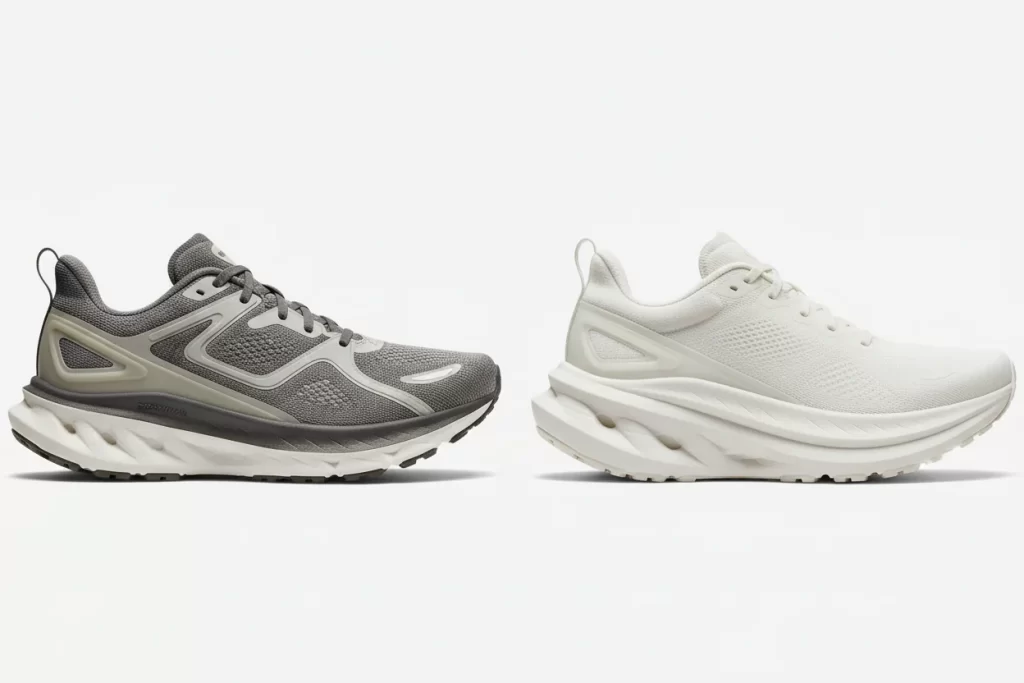
Choosing between Asics vs Hoka can be difficult when your main goal is running longer distances comfortably. Both brands are strongly associated with running, both offer highly cushioned models, and both can appeal to runners training for everything from regular 5K runs to half marathons and full marathons.
However, Asics vs Hoka is not a simple question of which brand is better.
The better choice depends on your body, running style, preferred cushioning, training distance, foot shape and the type of roads you run on. A shoe that feels excellent during a 5-kilometre run may feel completely different after 20 kilometres.
For Kenyan runners, road conditions can also influence the decision. Training around Nairobi may involve tarmac, uneven pavements, hills, dust and changing weather. The ideal long-distance running shoe needs to feel comfortable while providing a ride that matches the runner’s needs.
This guide compares Asics vs Hoka for long runs, cushioning, comfort, weight, durability and KES value to help you decide which direction may suit your next pair.
Asics vs Hoka: The Quick Answer
Asics vs Hoka comes down largely to the type of cushioning and ride you prefer. Asics offers a broad range of running experiences, while Hoka is particularly known for highly cushioned, high-stack designs, although individual models can vary significantly.
If you want a simple starting point:
Consider Asics if you prefer:
- A broad range of running shoe designs
- A more traditional running-shoe feel in some models
- Different cushioning options
- Daily training versatility
- A fit that works well for your feet
Consider Hoka if you prefer:
- Highly cushioned options
- High-stack designs
- A soft or protective feel for long distances
- A distinctive rocker-style ride in some models
- A running shoe designed around cushioning
These are not universal rules.
The specific model matters.
That is the most important lesson in the Asics vs Hoka comparison.
Asics vs Hoka for Long Runs
For long runs, Asics vs Hoka should be decided by how your legs and feet feel over distance rather than how the shoe feels during the first few minutes. Both brands offer models designed for longer training sessions.
A long run places different demands on footwear than a short run.
During longer distances, you may notice:
- Foot fatigue
- Changes in stride
- Increased pressure on certain areas
- Heel movement
- Toe discomfort
- Reduced cushioning comfort
A shoe that feels excellent for a short jog may not remain comfortable during a long session.
When comparing Asics vs Hoka for long runs, test the shoe over realistic distances if possible.
Pay attention to how your body feels:
- At the start
- After 30 minutes
- After one hour
- Toward the end of the run
The best long-run shoe is usually the one that remains comfortable when fatigue begins to affect your running form.
Asics vs Hoka Cushioning
Cushioning is one of the biggest differences runners consider when comparing Asics vs Hoka. Both brands offer cushioned running shoes, but the amount, feel and geometry of cushioning can differ significantly between models.
Some runners prefer cushioning that feels:
- Soft
- Plush
- Firm
- Responsive
- Protective
- Stable
There is no universally correct answer.
A very soft shoe may feel comfortable for one runner but unstable for another.
Similarly, a firmer shoe may feel efficient and predictable to one person while feeling harsh to someone else.
The Asics vs Hoka decision should therefore be based on your preferred ride.
Do you want to feel closely connected to the ground?
Or do you want a highly cushioned platform that reduces the sensation of impact?
Your answer can narrow the options considerably.
Asics vs Hoka: Gel vs Max-Stack Foam
The Asics vs Hoka comparison is often simplified as traditional cushioning technologies versus high-stack foam, but the reality is more complex because both brands use multiple midsole designs across different models.
Asics is widely associated with Gel cushioning technology, although modern Asics running shoes use different foam and cushioning systems depending on the model.
Hoka is strongly associated with high-stack midsoles and substantial foam cushioning.
However, avoid making a buying decision based solely on one technology.
The overall experience depends on:
- Foam composition
- Stack height
- Shoe geometry
- Outsole construction
- Upper fit
- Runner weight
- Running pace
The most useful Asics vs Hoka comparison is therefore model against model rather than marketing technology against marketing technology.
Asics vs Hoka for Comfort
Comfort is highly personal, so Asics vs Hoka should be judged by fit, cushioning and how the shoe feels during your actual running sessions. A shoe with an excellent reputation may still be uncomfortable for your particular foot shape.
When trying a running shoe, check:
- Toe room
- Width
- Heel security
- Arch feel
- Cushioning
- Flexibility
- Overall stability
Do not judge a shoe while standing still.
Walk around.
Jog lightly if possible.
Imagine the shoe after an hour of running rather than just one minute in a shop.
For general fitting guidance, see How Should Sneakers Fit?.
The winner in the Asics vs Hoka comfort comparison is the shoe your feet actually enjoy wearing.
Asics vs Hoka for Daily Training
For daily training, Asics vs Hoka should be compared according to versatility, comfort and durability. Both brands offer models that can support regular running routines.
Daily trainers need to handle repeated use.
They may be worn for:
- Easy runs
- Recovery runs
- Moderate training
- Long runs
- Occasional walking
The ideal daily trainer does not necessarily need to be the fastest shoe.
Instead, it should be reliable.
When choosing between Asics vs Hoka, ask whether you want one pair to handle most of your weekly mileage or whether you plan to rotate different shoes.
A versatile pair can be useful for runners building a simple shoe collection.
Asics vs Hoka for Marathon Training
Marathon training places significant demands on footwear, so Asics vs Hoka should be evaluated over the distances and paces you actually plan to run. Long-run comfort may be more important than how impressive the shoe feels during a short test.
Marathon preparation may include:
- Easy runs
- Long runs
- Recovery sessions
- Tempo sessions
- Race-specific training
Some runners prefer one shoe for most sessions.
Others rotate multiple pairs.
If you are choosing a shoe primarily for long training days, comfort and recovery can be important priorities.
The best Asics vs Hoka option for marathon preparation is the one that helps you complete your training comfortably and consistently.
Asics vs Hoka for Heavy Runners
Heavier runners should compare Asics vs Hoka based on cushioning, stability and how the midsole performs under their individual load. A higher stack alone does not automatically guarantee the best experience.
Runner weight can change how cushioning feels.
A foam that feels soft to one runner may feel firmer to another.
Likewise, a highly cushioned shoe may feel stable for one runner and less stable for another.
Consider:
- Base width
- Overall stability
- Cushioning feel
- Midsole compression
- Heel security
The Asics vs Hoka choice should be tested against your own running experience rather than another runner’s review.
Asics vs Hoka for Lightweight Runners
Lightweight runners may experience Asics vs Hoka cushioning differently because lower body weight can change how much the midsole compresses during impact. The best option depends on whether the runner prefers softness, responsiveness or ground feel.
A lightweight runner may not compress a thick midsole in the same way as a heavier runner.
This can influence the ride.
Try different options.
Pay attention to whether the shoe feels:
- Too firm
- Too soft
- Too tall
- Stable
- Responsive
The best Asics vs Hoka option should feel natural rather than forcing you to adapt to the shoe.
Asics vs Hoka: Which Feels Faster?
Neither brand automatically wins the Asics vs Hoka speed comparison because running speed depends on the specific shoe, runner fitness and training purpose. A comfortable shoe for long mileage may not be the fastest option for faster sessions.
A running shoe designed for protection and comfort may feel different from a shoe designed around speed.
Before buying, decide your main priority.
Is it:
- Long-distance comfort?
- Daily mileage?
- Speed sessions?
- Racing?
- Recovery?
If your main goal is long runs, do not sacrifice comfort simply to chase a sensation of speed.
The Asics vs Hoka winner depends on the job you want the shoe to perform.
Asics vs Hoka for Durability
Durability in Asics vs Hoka varies by model, outsole design, runner weight, running surface and weekly mileage. Neither brand can be declared universally more durable across every product line.
Look at:
- Outsole rubber coverage
- High-wear zones
- Upper construction
- Midsole resilience
- Stitching and bonding
A runner who covers many kilometres every week will wear through shoes differently from someone who runs twice a week.
Road conditions also matter.
For Kenyan runners, rough pavements and uneven surfaces can create additional wear.
The most durable Asics vs Hoka choice is often the model built appropriately for your mileage and running environment.
Asics vs Hoka: Weight and Stack Height
Weight and stack height can significantly influence the feel of Asics vs Hoka running shoes. A taller shoe may offer more underfoot material, while a lighter shoe may feel easier to move through your stride, depending on its design.
Higher stack does not automatically mean better.
Lower weight does not automatically mean faster.
The complete design matters.
Consider how the shoe feels through your stride.
Does it feel:
- Stable?
- Heavy?
- Protective?
- Flexible?
- Smooth?
The right Asics vs Hoka choice should complement your natural running movement.
Asics vs Hoka for Nairobi Roads
For Nairobi road running, Asics vs Hoka should be evaluated according to cushioning, grip, comfort and durability on your normal training routes. Road conditions can vary significantly from one neighbourhood to another.
Your regular route matters.
Do you run mainly on:
- Smooth tarmac?
- Rough roads?
- Pavements?
- Hilly routes?
- Mixed surfaces?
A shoe that works beautifully on a smooth route may feel different on rougher terrain.
Consider the surface you actually run on most often.
For everyday footwear options beyond running, you can also explore Sneakers in Kenya.
Your normal training route should influence the Asics vs Hoka decision.
Asics vs Hoka: Which Offers Better KES Value?
The best KES value in Asics vs Hoka is determined by how well the shoe matches your needs, how often you run and the discounted price available. The lowest purchase price is not always the lowest cost per kilometre.
Think about value this way.
If one pair costs more but provides significantly more useful training, it may offer stronger value.
Consider:
- Purchase price
- Expected mileage
- Comfort
- Frequency of use
- Versatility
- Current discounts
Do not buy a running shoe simply because it is heavily discounted.
It still needs to fit properly.
The best Asics vs Hoka value is the pair you can comfortably use for the purpose you bought it for.
How to Choose Between Asics and Hoka
The easiest way to choose between Asics vs Hoka is to define your running needs first, then compare specific models based on fit, cushioning, stability and price. Brand reputation should be a starting point rather than the final decision.
Follow this process.
Step 1: Define Your Main Running Goal
Are you training for:
- General fitness?
- A 5K?
- A half marathon?
- A marathon?
- Long-distance endurance?
Step 2: Consider Your Preferred Cushioning
Do you prefer soft, plush cushioning or a more traditional running feel?
Step 3: Check Fit
Measure your feet and try the shoes.
Use our Shoe Size Conversion Kenya guide if you are comparing sizing systems.
Step 4: Consider Width
If you need additional room, see Shoes for Wide Feet.
Step 5: Think About Your Running Surface
Match the shoe to your most common route.
Step 6: Compare KES Value
Choose the pair that gives you the best combination of comfort and useful mileage.
This approach makes the Asics vs Hoka decision more practical.
Common Mistakes When Buying Long-Distance Running Shoes
Many runners make mistakes by choosing shoes based only on brand reputation, appearance or online reviews. The best Asics vs Hoka choice should match your own body, feet and training requirements.
Buying the Wrong Size
Running shoes generally need enough room for comfortable foot movement.
Choosing Based Only on Cushioning
More cushioning is not automatically better.
Ignoring Stability
A highly cushioned shoe still needs to feel controlled during your stride.
Buying Based on Another Runner’s Experience
Your feet and running style are different.
Using One Shoe for Every Activity
A long-run shoe may not be ideal for the gym or every training session.
For gym-specific guidance, see Best Trainers for the Gym.
Avoiding these mistakes can help you make a better Asics vs Hoka decision.
Asics vs Hoka: Who Should Choose Which?
The most useful Asics vs Hoka comparison is based on runner preference rather than declaring one brand universally superior. Specific models should always be compared before buying.
Consider Asics if you want:
- A running shoe that feels right for your preferred training style
- Options across different levels of cushioning
- A model that fits your foot comfortably
- A suitable daily or long-run trainer
Consider Hoka if you want:
- A highly cushioned running experience
- A model with substantial underfoot foam
- A comfortable ride for long-distance training
- A shoe geometry that suits your stride
These are broad starting points.
The specific Asics vs Hoka model comparison remains more important than the brand comparison.
FAQ: Asics vs Hoka
Which is better for long runs, Asics or Hoka?
The better Asics vs Hoka choice for long runs depends on the individual model and your cushioning preference. Both brands offer shoes suitable for long-distance training.
Is Hoka more cushioned than Asics?
Many Hoka models are known for high levels of cushioning and substantial stack heights, but Asics also offers highly cushioned running shoes. Compare individual models rather than brands alone.
Are Asics good for marathon training?
Yes, certain Asics running models can be suitable for marathon training. The right choice depends on your training needs and the specific model.
Are Hoka shoes good for long-distance running?
Many Hoka models are designed with cushioning that can appeal to long-distance runners. Fit and personal comfort remain important.
Which lasts longer, Asics or Hoka?
Durability varies by model, running surface, runner weight and mileage. There is no universal Asics vs Hoka durability winner.
Which is better for heavy runners?
Heavy runners should compare cushioning, stability and fit between individual Asics vs Hoka models. A higher stack alone does not guarantee better performance.
Which is better for lightweight runners?
Lightweight runners should choose based on cushioning feel and preferred ride. Different Asics vs Hoka models can feel very different under different runners.
Are Hoka shoes too soft?
Some runners may find highly cushioned shoes softer than they prefer, while others enjoy the protective feel. Personal preference is important in the Asics vs Hoka comparison.
Can I use running shoes for the gym?
Some running shoes can be used for general gym activity, but highly cushioned running shoes may not provide the same stability desired for heavy lifting.
How do I choose the right running shoe size?
Your running shoe should provide a secure fit with appropriate toe room and comfortable width. See How Should Sneakers Fit? for more fitting guidance.
Final Verdict: Asics vs Hoka
There is no universal winner in the Asics vs Hoka debate. The best long-run shoe is the specific model that gives you the right combination of comfort, cushioning, stability and value for your own training.
If you prefer a broad range of running experiences and a model that fits your preferred training style, Asics may offer the direction you need.
If you prefer substantial cushioning and a highly protective underfoot experience, Hoka may be worth considering.
But do not stop at the brand.
Compare the specific model.
Check the fit.
Consider your weekly mileage.
Think about the roads you run on.
And, most importantly, pay attention to how the shoe feels after significant time on your feet.
The best Asics vs Hoka choice is not necessarily the shoe with the biggest stack, the softest foam or the highest price.
It is the pair that helps you run consistently, comfortably and confidently over the distances that matter to you.