

Best Trainers for the Gym: What to Buy for Lifting, Cardio and Classes
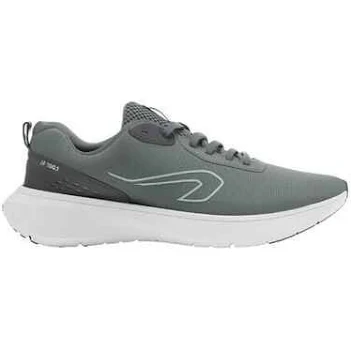
Choosing the best trainers for the gym depends on what you actually do once you get there. A shoe that feels excellent on a treadmill may not be the best choice for heavy squats, while a firm lifting trainer may feel uncomfortable during a long cardio session.
The right gym trainer should match your workout. Lifting generally benefits from a stable, relatively firm base, while cardio and high-impact classes can call for more cushioning and responsiveness. Training shoes are specifically designed for mixed activities such as strength training, HIIT and multidirectional movement.
For Kenyan gym-goers, the decision also comes down to comfort, durability, fit and how versatile the shoe needs to be. If you only want one pair, a versatile cross-training shoe can make more sense than buying a highly specialised shoe for every activity.
This guide explains the best trainers for the gym for lifting, cardio, classes and mixed workouts, including what to look for when comparing Nike, Asics and Mizuno trainers.
Best Trainers for the Gym: Start With Your Workout
The best trainers for the gym are the ones that match your main type of exercise. Choose stability for lifting, cushioning for impact-heavy cardio and a balance of grip, flexibility and support for classes or mixed training.
Before looking at brands, think about what you actually do at the gym.
Are you mainly:
- Lifting weights?
- Using the treadmill?
- Cycling?
- Doing HIIT?
- Attending aerobics or fitness classes?
- Training with machines?
- Combining weights and cardio?
- Doing functional or circuit training?
There is no single perfect gym trainer for every person.
Someone spending most of their session under a barbell has different footwear requirements from someone doing 40 minutes of treadmill running.
This is why choosing the best trainers for the gym should start with your workout rather than the logo on the side of the shoe.
A general training shoe is usually designed around a combination of cushioning, support, stability and traction because gym workouts can involve jumping, pivoting, lateral movements and sudden changes of direction.
If you mainly lift, prioritise stability.
If you mainly do cardio, prioritise cushioning and comfort.
If you attend classes, look for versatility.
If you do everything, choose a balanced cross-trainer.
Best Trainers for the Gym for Weightlifting
For weightlifting, look for trainers with a stable, firm base that keeps your feet planted rather than an extremely soft, highly cushioned running sole. Stability matters more than maximum cushioning when your workout revolves around controlled strength movements.
When lifting weights, you want your feet to feel connected to the floor.
A very soft running shoe can compress under load, which may feel less stable during exercises such as squats, deadlifts, lunges and presses.
Training shoes designed for gym use tend to use firmer and flatter platforms to provide a more stable foundation. Current training-shoe guidance similarly distinguishes these shoes from heavily cushioned running shoes, particularly for lifting and gym-based movement.
Look for:
- A firm heel
- A stable outsole
- Good lateral support
- Secure heel lockdown
- A reasonably wide base
- Enough flexibility for your other exercises
- A comfortable but secure upper
You do not necessarily need a specialised weightlifting shoe if you are a beginner or primarily doing general strength training.
A good cross-trainer can be more versatile.
However, if you progress into serious Olympic lifting or specialised strength training, you may eventually want footwear designed specifically for that activity.
Best Trainers for the Gym for Cardio
The best trainers for gym cardio should provide enough cushioning and comfort for repeated impact while remaining secure on your feet. For treadmill work, step workouts and other repetitive cardio, cushioning becomes more important than it is for heavy lifting.
Cardio places different demands on your footwear.
If your gym session includes treadmill walking, jogging, running, elliptical training or step-based exercise, you will probably appreciate more cushioning than someone who spends most of their session lifting.
The right level depends on the activity.
For example, someone walking on a treadmill may prefer a comfortable everyday trainer, while someone doing repeated jumps may want a responsive shoe with good grip.
Do not assume that maximum cushioning automatically means maximum comfort.
A shoe that is too soft or unstable may not feel appropriate when you move quickly from side to side.
The best trainers for the gym for cardio should feel comfortable without making your feet feel disconnected from the floor.
Best Trainers for the Gym for HIIT and Classes
For HIIT and fitness classes, choose a trainer that combines cushioning, grip, lateral stability and a secure fit. Classes often involve jumping, quick direction changes, lunges and side-to-side movement, so a running-only shoe may not provide the versatility you need.
HIIT is one of the hardest categories to shop for because a single class can include several different movements.
You might go from:
- Squats
- Burpees
- Jumping jacks
- Lunges
- Short sprints
- Side shuffles
- Strength exercises
- Floor movements
That means the shoe has to do several jobs.
HIIT-focused shoe guidance commonly highlights a responsive midsole, grippy outsole and secure upper as important characteristics.
For classes, pay particular attention to lateral support.
A shoe designed mainly for straight-line running may not feel as secure when you repeatedly move sideways.
This is one reason cross-training shoes can be a better choice for gym classes than traditional running shoes.
Best Trainers for the Gym for Mixed Workouts
If your gym routine combines weights, cardio and classes, choose a versatile cross-training shoe rather than a specialist running or lifting shoe. The goal is to find a practical middle ground between stability, cushioning, flexibility and grip.
This is probably the most common situation for recreational gym-goers.
You may spend 30 minutes lifting, 15 minutes on the treadmill and finish with some bodyweight exercises.
Buying three different pairs of shoes would be unnecessary for most people.
Instead, look for a balanced training shoe.
A versatile gym trainer should:
- Feel stable during squats
- Have enough cushioning for moderate cardio
- Allow lateral movement
- Have a secure upper
- Offer useful outsole grip
- Remain comfortable for an entire workout
There is always a compromise with hybrid shoes. A shoe designed to perform reasonably well across lifting and conditioning will not necessarily be the absolute best at either extreme. Current training-shoe guidance also describes hybrid footwear as sitting on a spectrum between serious lifting and running.
For most everyday gym users, however, versatility is a major advantage.
Nike Gym Trainers: When to Choose Them
Nike gym trainers can be a strong choice when you want a shoe designed around training movements rather than simply running. Look for a model whose stability, cushioning and flexibility match your workout instead of choosing purely because of the Nike name.
Nike has a broad range of sports footwear, so the important question is not simply whether a shoe is Nike.
Ask what the specific shoe was designed to do.
If your workouts involve:
- Strength training
- HIIT
- Functional training
- Gym classes
- Short cardio sessions
- General fitness
a training-oriented Nike model may be more appropriate than a highly cushioned running model.
For lifting-heavy workouts, look for a stable base.
For mixed workouts, look for a balance between stability and flexibility.
For high-impact classes, pay attention to cushioning and grip.
The best trainers for the gym are always about matching the construction to your routine.
Asics Gym Trainers: When They Make Sense
Asics gym trainers can make sense when cushioning, support and comfort are priorities, particularly for users whose gym sessions include cardio or higher-impact movement. The brand’s training range covers workouts involving strength training, HIIT and multidirectional movement.
Asics describes training shoes as footwear designed for activities ranging from strength training and HIIT to multidirectional agility drills. It also highlights cushioning, support, stability and traction as important characteristics for workout shoes.
This makes Asics worth considering if your gym routine is mixed.
If you spend significant time doing cardio, you may prefer a trainer with more cushioning.
If you lift regularly, compare the sole and overall stability before choosing.
One important point is that not every Asics shoe is a gym trainer.
Asics has extensive running and sport-specific ranges.
A running shoe and a training shoe may feel completely different even when they carry the same brand name.
Always check the intended use of the particular model.
Mizuno Trainers for Gym and Cross-Training
Mizuno trainers can be considered by gym users who value a secure fit, cushioning and versatile athletic performance. As with Nike and Asics, the correct Mizuno model depends on whether your priority is lifting, cardio or mixed training.
Mizuno is another established sports footwear brand worth considering when comparing gym trainers.
The key is to look beyond appearance.
A stylish trainer can still be the wrong trainer for your workout.
Check:
- Sole construction
- Cushioning
- Heel stability
- Upper support
- Flexibility
- Grip
- Fit
If you already wear Mizuno for other sporting activities, you may also appreciate the brand’s fit and feel.
However, gym use should still determine the model you choose.
Gym Trainers vs Running Shoes
Gym trainers and running shoes are designed for different movement patterns. Running shoes generally prioritise forward motion and impact cushioning, while training shoes place greater emphasis on stability and multidirectional movement.
This is one of the most important distinctions when choosing the best trainers for the gym.
Running is predominantly a forward-moving activity.
Gym training can involve:
- Forward movement
- Backward movement
- Side-to-side movement
- Pivoting
- Jumping
- Squatting
- Lifting
- Short explosive movements
That requires a different balance.
Training shoes are generally built to handle a wider variety of gym movements, while running shoes are designed primarily around running.
This does not mean running shoes are bad.
If your gym session is almost entirely treadmill running, a running shoe may be exactly what you need.
The problem comes when you use a highly cushioned running shoe for activities where you need a stable platform.
What to Look for in the Best Trainers for the Gym
The most important features are stability, fit, grip, cushioning, flexibility and durability. The right combination depends on your workout, but no gym trainer should feel loose, unstable or uncomfortable during movement.
1. Stability
Stability matters most for lifting and multidirectional movements.
The shoe should feel secure when you plant your foot.
2. Cushioning
Cushioning is particularly useful for impact-heavy cardio and classes.
However, more cushioning is not automatically better.
3. Grip
A good outsole should provide enough traction for the surfaces and movements you perform.
This matters during lunges, lateral movements and quick transitions.
4. Flexibility
Your foot needs to move naturally.
A trainer that is excessively stiff may feel restrictive during dynamic exercises.
5. Heel Security
Your heel should stay comfortably in place.
If it repeatedly lifts out of the shoe, the fit may be wrong.
6. Breathability
Gym sessions can become hot and sweaty.
A breathable upper can make the shoe more comfortable during longer workouts.
7. Durability
Gym floors, repeated movement and frequent training can put significant wear on shoes.
Look for a construction that suits how frequently you train.
How Should Gym Trainers Fit?
Gym trainers should fit securely without squeezing your toes or allowing your heel to move excessively. You should have enough room for natural toe movement while maintaining a locked-in feel through the midfoot and heel.
Do not buy gym trainers based only on the size printed on the box.
Sizing can vary between brands and models.
Try the shoes on with the socks you normally wear to the gym.
Walk around.
Bend your knees.
Perform a few controlled movements if possible.
Pay attention to:
- Toe room
- Heel movement
- Width
- Midfoot pressure
- Arch comfort
- Overall security
If you regularly struggle with width, compare options designed with a roomier forefoot.
Our guide to Shoes for Wide Feet can help you understand what to look for.
You can also use our Shoe Size Conversion Kenya guide when comparing UK, US and EU sizing.
Best Trainers for the Gym in Kenya: Nairobi Considerations
When buying gym trainers in Kenya, consider how you will use them beyond the workout itself. Nairobi commuting, walking, changing weather and regular daily use can make durability and versatility just as important as gym performance.
Many gym-goers do not travel directly from home to the gym and back.
You may walk to a matatu stage, commute across town, run errands after your workout or spend several hours away from home.
That makes versatility valuable.
If you want one pair to handle both gym sessions and casual use, choose a trainer that is comfortable enough for everyday movement but still appropriate for your workouts.
For Nairobi’s dusty conditions, maintenance also matters.
Light-coloured trainers can show dirt quickly.
Dark colours can be easier to maintain visually, although any gym shoe should still be cleaned regularly.
If you are buying white or light-coloured trainers, our guide on How to Clean White Sneakers provides practical maintenance tips.
Should You Buy One Pair or Two?
One versatile pair is enough for many casual gym-goers, but two pairs can make sense if your workouts are very different. For example, you might use a stable trainer for lifting and a more cushioned running shoe for regular treadmill sessions.
Start with your routine.
If you lift twice a week and do occasional cardio, one good cross-trainer may be enough.
If you run several kilometres every gym session and also lift heavy weights, two pairs may be a better investment.
You could use:
Pair 1: Training shoe for weights, classes and general gym work.
Pair 2: Running shoe for treadmill or outdoor running.
This approach allows each shoe to do the job it was designed for.
You also give each pair time to dry and recover between workouts.
Best Trainers for Beginners
Beginners should prioritise comfort, stability and versatility rather than buying the most specialised gym shoe available. A well-fitting cross-trainer is often a practical starting point for someone who is still discovering which workouts they enjoy.
If you have just joined a gym, you probably do not yet know exactly what your routine will become.
You might start with:
- Machines
- Light weights
- Treadmill walking
- Cycling
- Group classes
- Bodyweight exercises
A versatile training shoe gives you room to experiment.
You can upgrade later if your workouts become more specialised.
For example, if you eventually become a serious runner, you may want a dedicated running shoe.
If you focus heavily on strength training, you may eventually prefer a more specialised lifting shoe.
There is no need to buy specialist equipment before you know what you actually need.
Best Trainers for the Gym for Beginners With Wide Feet
If you have wide feet, prioritise a comfortable toe box and avoid trainers that squeeze the forefoot. Width problems can become especially noticeable during squats, lunges and longer cardio sessions.
Your toes should not feel compressed.
Do not assume that a shoe will stretch enough to solve a major width problem.
Instead, look for models and sizes that provide appropriate room.
Try the shoe at the end of the day if possible, when feet may be slightly larger than they are first thing in the morning.
Make sure the shoe is secure without being restrictive.
Comfort should not be sacrificed simply because a particular model is popular.
Common Gym Trainer Buying Mistakes
The biggest mistakes are choosing a shoe based on appearance alone, using running shoes for every workout, buying the wrong size and ignoring the type of exercise you actually perform.
Buying for Looks
A great-looking shoe is not automatically a great gym shoe.
Start with function.
Choosing the Most Cushioned Shoe
Maximum cushioning can feel comfortable but may not provide the stability you want for lifting.
Using Running Shoes for Everything
Running shoes can be excellent for running but are not automatically ideal for lateral gym movements or heavy lifting.
Buying the Wrong Size
A trainer that is too tight can become uncomfortable quickly.
A trainer that is too loose can move around during exercise.
Ignoring Lateral Support
If you do classes or HIIT, side-to-side movement matters.
Buying Without Trying
If possible, try the shoes on before purchasing.
Compare how they feel when standing, walking and moving.
How Long Should Gym Trainers Last?
There is no single mileage or time limit for gym trainers because lifespan depends on workout frequency, body weight, surface, exercise type and shoe construction. Replace them when the cushioning, grip, upper or overall stability has noticeably deteriorated.
Look for signs such as:
- Flattened cushioning
- Worn outsole
- Cracked midsole
- Loose upper
- Heel instability
- Reduced grip
- Persistent discomfort
Do not wait until the shoe completely falls apart.
If you train frequently, inspect your trainers regularly.
A shoe used three or four times a week may wear differently from one used once a week.
How to Care for Your Gym Trainers
Regular cleaning and proper drying can help keep gym trainers fresher and protect the materials. Remove surface dirt, clean gently and allow the shoes to air-dry away from excessive direct heat.
After a sweaty workout, give the shoes time to air out.
Avoid leaving them permanently inside a closed gym bag.
For cleaning, use a soft brush and mild soap where appropriate.
ASICS’ current care guidance recommends removing excess dirt with a soft brush, using mild soap and warm water for hand cleaning, and air-drying shoes away from direct heat or sunlight.
For everyday sneaker-care advice, you can also read our guide to How to Clean White Sneakers.
Proper care will not make a worn-out shoe new again, but it can help maintain its appearance and keep it more comfortable to use.
How to Choose Between Nike, Asics and Mizuno
Choose between Nike, Asics and Mizuno based on the specific trainer’s construction and your workout rather than brand loyalty. The right model is the one that gives you the stability, cushioning, fit and movement you need.
A simple comparison looks like this:
| Your priority | What to look for |
|---|---|
| Heavy lifting | Firm, stable platform |
| Treadmill cardio | Comfortable cushioning |
| HIIT | Grip, responsiveness and lateral support |
| Gym classes | Flexibility and stability |
| Mixed workouts | Balanced cross-training design |
| Daily gym use | Comfort and durability |
| Wide feet | Roomier forefoot and suitable width |
| Beginner | Versatile, comfortable trainer |
The brand is the second decision.
The workout is the first.
What Are the Best Trainers for the Gym for You?
The best trainers for the gym are the ones that match your training style and fit your feet properly. There is no universal winner because the ideal shoe for a weightlifter may be completely different from the ideal shoe for a treadmill-focused gym-goer.
Use this simple decision guide.
If You Mainly Lift
Choose a stable, relatively firm trainer.
If You Mainly Do Cardio
Choose a comfortable shoe with suitable cushioning.
If You Do HIIT
Choose a responsive trainer with grip and lateral support.
If You Attend Classes
Choose a versatile cross-training shoe.
If You Do Everything
Choose a balanced training shoe that does several jobs reasonably well.
If You Are a Beginner
Start with a versatile, comfortable trainer rather than buying a specialist shoe immediately.
FAQ: Best Trainers for the Gym
What are the best trainers for the gym?
The best trainers for the gym depend on your workout. Choose stable trainers for lifting, cushioned footwear for cardio and versatile cross-trainers for mixed workouts.
Are Nike trainers good for the gym?
Yes, Nike makes training-oriented footwear suitable for various gym activities. Choose the specific model according to whether you prioritise lifting, HIIT, cardio or mixed training.
Are Asics trainers good for gym workouts?
Yes. Asics offers training footwear designed for activities including strength training, HIIT and multidirectional movement. The correct model depends on your workout and preferred level of cushioning.
Are Mizuno trainers good for the gym?
Mizuno trainers can be suitable for gym use when the specific model matches your workout. Check stability, cushioning, flexibility, grip and fit rather than choosing based on brand alone.
Can I wear running shoes to the gym?
You can, particularly if your workout is mainly treadmill running or walking. However, a training shoe may be more suitable for workouts involving lifting and frequent side-to-side movement.
Are flat shoes better for lifting?
A stable, relatively firm sole can be useful for lifting because it provides a solid base. The best choice still depends on the exercises you perform and your individual comfort.
What shoes are best for HIIT?
HIIT trainers should combine grip, stability, responsiveness and a secure fit. HIIT commonly involves jumping and multidirectional movements, making versatility important.
How should gym trainers fit?
Gym trainers should feel secure without squeezing your toes. Your heel should remain comfortably in place while your forefoot has enough room for natural movement.
How many pairs of gym shoes do I need?
One versatile pair is enough for many people. Consider two pairs if you regularly combine serious running with heavy lifting or other specialised training.
Can I use the same trainers for gym and everyday wear?
Yes, if the trainer is comfortable and suitable for both activities. However, frequent gym use can accelerate wear, so dedicated gym footwear may last longer if you train regularly.
Final Verdict: Choosing the Best Trainers for the Gym
The best trainers for the gym are not necessarily the most expensive or most popular pair. They are the trainers that match your workout, fit your feet securely and provide the right balance of stability, cushioning, grip and flexibility.
If lifting is your priority, look for a stable and relatively firm platform.
If cardio is your priority, consider cushioning and comfort.
If you attend HIIT or fitness classes, prioritise grip, lateral support and responsiveness.
If your workouts combine everything, choose a versatile cross-trainer.
Nike, Asics and Mizuno all offer different footwear options, but the most important decision is always the specific shoe rather than the logo.
For Kenyan gym-goers, it is also worth thinking about how the trainers fit into your everyday routine. If you commute, walk frequently or use the same shoes outside the gym, versatility and durability become even more important.
Most importantly, do not buy a trainer simply because it looks good.
Try it on.
Walk in it.
Check the fit.
Think about your workout.
Then choose the pair that gives your feet the support they actually need.
If you are looking for new footwear, explore our collection of Sneakers in Kenya and compare styles suitable for everyday wear, training and active lifestyles.