

Sandals vs Flats: What to Wear for a Long Day on Your Feet
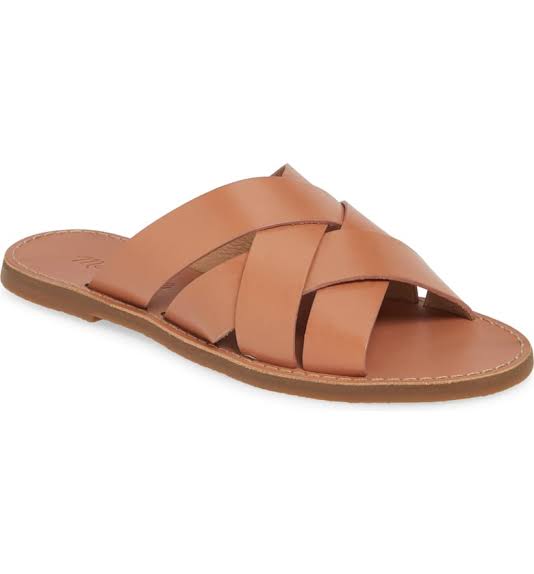
If you spend hours walking, commuting, shopping, working or standing, choosing the right shoes can make a noticeable difference by the end of the day. The sandals vs flats debate is really about more than appearance: comfort, support, breathability, fit and the type of day ahead all matter.
For women in Nairobi, both sandals and flats can be excellent everyday footwear. Sandals allow more airflow and can feel ideal during warmer weather, while flats offer more coverage and can transition easily between work, errands and social occasions.
So, which should you choose? In this sandals vs flats guide, we compare the two options for walking, standing, office wear, casual outfits, travel, Nairobi weather, comfort, support and value.
Sandals vs Flats: Which Is Better for Long Days?
Neither sandals nor flats are automatically better for a long day; comfort depends on the individual shoe’s cushioning, sole, fit, support and construction. Choose sandals for breathability and an open feel, or flats when you want more coverage and easy all-day styling.
The most important point in the sandals vs flats comparison is that the category alone does not determine comfort.
A poorly designed sandal can leave your feet tired just as quickly as a poorly constructed flat. Likewise, a supportive sandal can be extremely comfortable for walking, while a well-designed flat can handle a full day of errands and work.
Before choosing, think about what your day actually involves.
Will you be:
- Walking around Nairobi CBD?
- Standing at work?
- Travelling?
- Shopping?
- Attending meetings?
- Going out for lunch?
- Spending time outdoors?
- Moving between indoor and outdoor spaces?
Your answer can make the sandals vs flats decision much easier.
Sandals vs Flats for Walking Around Nairobi
For walking around Nairobi, sandals can be excellent when the weather is warm and the design provides secure support. Flats can be better when you want additional foot coverage, a more enclosed feel or a shoe that transitions easily into work and other settings.
Walking puts repeated pressure on your feet, so comfort matters more than simply choosing a fashionable design.
The sandals vs flats choice for Nairobi walking should therefore consider the sole first.
Look for a sole that provides enough cushioning without feeling unstable. The shoe should also stay securely on your foot rather than forcing your toes to grip the footwear with every step.
A sandal with adjustable straps can be useful because you can create a more secure fit.
A flat should not feel loose around the heel or squeeze the toes.
If you regularly walk long distances, you should also consider whether your shoes have enough room across the forefoot. Our guide to shoes for wide feet can help if standard footwear tends to feel restrictive.
The right sandals vs flats choice is ultimately the one that lets you walk naturally without constantly thinking about your feet.
Sandals vs Flats for Standing All Day
If your day involves prolonged standing, choose the shoe with the better combination of cushioning, stability and fit rather than automatically choosing sandals or flats. A supportive flat can work well for standing, but a well-constructed sandal can be equally comfortable.
Standing for several hours is different from walking.
When standing, your feet remain under continuous load, which means a very thin or completely unsupportive sole may become uncomfortable.
In the sandals vs flats comparison, look for:
- Adequate cushioning
- Stable soles
- Secure fit
- Comfortable toe space
- Supportive construction
- Materials that do not rub
- A heel that does not slip
A flat with a completely thin sole may look elegant but may not be the best choice for a full day on your feet.
Likewise, a sandal with narrow straps may create pressure points after several hours.
If you know you will be standing all day, test the shoe before committing to it.
Sandals vs Flats for Comfort and Support
Comfort comes from the construction of the individual shoe rather than its category. A supportive sandal can be more comfortable than an unsupportive flat, while a well-cushioned flat can outperform a thin sandal on a long day.
This is where the sandals vs flats discussion becomes more nuanced.
Comfort is affected by several factors.
Cushioning
A cushioned sole can reduce the harsh feeling of hard surfaces underfoot.
Fit
Shoes should not squeeze the toes or allow excessive movement.
Stability
Your foot should feel secure when walking.
Flexibility
The shoe should flex naturally rather than fighting your foot’s movement.
Weight
Very heavy shoes can become tiring over a long day.
Material
Soft, breathable materials can improve comfort, especially in warm conditions.
When comparing sandals vs flats, do not stop at colour or brand. Put the shoe on and walk around.
If possible, try both shoes rather than testing only one.
Sandals vs Flats for Hot Weather
Sandals generally have the advantage in hot weather because their open construction allows more airflow around the feet. Flats can still work well in warm conditions when they use breathable materials and have enough room around the foot.
Nairobi is not hot in exactly the same way every day, but warm afternoons can make enclosed shoes feel uncomfortable.
This gives sandals an advantage in the sandals vs flats comparison.
Open straps allow air to circulate around the feet and can reduce the enclosed feeling that some people experience in closed footwear.
Sandals are particularly useful for:
- Weekend errands
- Casual lunches
- Outdoor events
- Holidays
- Warm afternoons
- Casual travel
- Relaxed social occasions
Flats remain useful because they provide greater coverage.
If you work in an environment where open footwear is unsuitable, a breathable flat may be the better option.
Sandals vs Flats for Rainy Weather
Flats generally provide more coverage during wet weather, but neither category is automatically waterproof. In heavy rain, choose footwear specifically designed for wet conditions rather than assuming a closed flat will keep your feet dry.
The sandals vs flats decision changes considerably when rain is involved.
Open sandals leave more of your foot exposed to puddles, mud and splashes. Some sandals also become slippery when wet, depending on the outsole.
Flats can provide more protection, but ordinary flats are not necessarily water-resistant.
During Nairobi’s rainy periods, your choice should depend on the day’s conditions.
For serious wet-weather commuting, see our guide to rainy season shoes for more practical footwear options.
If you do choose sandals during light rain, consider whether the straps and sole remain comfortable when wet.
Sandals vs Flats for Office Wear
Flats usually have the advantage for office wear because they provide a polished appearance while offering more coverage. Sandals can work in relaxed workplaces, but the design needs to be appropriate for the dress code.
The sandals vs flats comparison is particularly relevant for women who need shoes that work from morning meetings through to the evening commute.
A simple flat can be paired with:
- Tailored trousers
- Dresses
- Skirts
- Smart jeans
- Chinos
- Blouses
- Shirts
The versatility of flats makes them a reliable office option.
Sandals can also work, particularly in workplaces with relaxed dress codes. Minimal straps and understated colours can create a more polished appearance than heavily casual designs.
However, workplace rules should always come first.
If your office is formal, flats are usually the safer choice.
Sandals vs Flats for Casual Outfits
Sandals are excellent for relaxed summer-style outfits, while flats provide a slightly more polished alternative without becoming overly formal. Both work well with jeans, dresses, skirts and casual trousers.
Casual dressing gives you more freedom in the sandals vs flats decision.
Sandals can instantly make an outfit feel lighter and more relaxed.
Try them with:
- Jeans and a T-shirt
- Casual dresses
- Shorts
- Wide-leg trousers
- Lightweight skirts
- Jumpsuits
Flats can create a similar effect but with slightly more structure.
A simple pair of flats can work with jeans and a blouse, a casual dress or tailored trousers.
For more ideas, explore our guide to women’s flats for everyday styling and footwear considerations.
Sandals vs Flats for Travel
Sandals can be excellent for warm-weather travel because they are breathable and easy to wear, while flats offer more protection and can handle a wider range of outfits and settings. The best travel option depends on the destination and itinerary.
Travel makes the sandals vs flats question more complicated because one pair may need to handle several situations.
If you are travelling to the Kenyan Coast, sandals can be extremely useful.
They work naturally with lightweight clothing and warm-weather outfits.
For city travel, flats may offer greater versatility, particularly if your itinerary includes restaurants, shopping, meetings or evening activities.
If you are packing light, consider which pair works with the greatest number of outfits.
A neutral flat can work during the day and evening.
A neutral sandal can be equally versatile in a warm destination.
Sandals vs Flats for Women Who Walk a Lot
Women who walk extensively should prioritise secure fit, cushioning, stability and sole construction above everything else. Sandals can work for long walks if they provide enough support, while flats should have more than just a thin decorative sole.
For people who walk a lot, the sandals vs flats debate is really a comfort test.
Ask yourself:
Does the shoe stay on securely?
Does your heel slip?
Do your toes feel cramped?
Does the sole feel too hard?
Does the shoe rub anywhere?
Does your foot feel supported?
These questions matter more than whether the shoe is called a sandal or a flat.
A comfortable sandal with adjustable straps may outperform a stiff flat.
A well-cushioned flat may outperform a thin sandal.
The best sandals vs flats choice is therefore personal and should be tested before a long day.
Sandals vs Flats: What Sole Should You Choose?
A good sole should balance cushioning, stability and flexibility. Avoid choosing a shoe solely because its sole is thick; excessive softness or instability can also make walking uncomfortable.
The sole is one of the most important parts of the sandals vs flats comparison.
A very thin sole provides little separation between your foot and the ground.
A very soft sole may feel comfortable initially but can lack stability.
Look for a sole that feels:
- Secure
- Comfortable
- Stable
- Flexible enough to walk naturally
- Appropriate for the surfaces you use
If you mostly walk on paved Nairobi streets, you may appreciate a little more cushioning.
If you spend time indoors, a lighter sole may be sufficient.
The key is matching the shoe to your routine.
Sandals vs Flats: How Fit Changes Comfort
Correct sizing can make a bigger difference to comfort than choosing sandals over flats. Your toes should have enough room, the heel should remain secure and straps or uppers should not create painful pressure points.
The sandals vs flats decision cannot be separated from sizing.
A shoe that is technically your normal size can still fit differently depending on the brand and model.
When trying footwear, check:
- Toe room
- Heel security
- Forefoot width
- Strap pressure
- Overall length
- Arch area
- Walking comfort
Do not rely entirely on the size printed inside the shoe.
For a more detailed guide, see Shoe Size Conversion Kenya before purchasing footwear from brands using different sizing systems.
You can also walk around while trying the shoes.
A shoe that feels comfortable for 30 seconds may feel completely different after an hour.
Sandals vs Flats: Which Is Easier to Style?
Flats generally offer slightly more styling flexibility because their enclosed design can move between casual and polished outfits. Sandals are particularly strong for relaxed, warm-weather looks and can make an outfit feel lighter.
The sandals vs flats decision is also about the impression you want to create.
Flats tend to look polished without being overly formal.
Sandals tend to look relaxed and effortless.
That does not mean flats are boring or sandals are casual-only.
The design matters.
A refined sandal with simple straps can look elegant.
A decorative flat can make a casual outfit more distinctive.
When buying, think beyond the individual shoe and consider your wardrobe.
Sandals vs Flats: Which Offers Better Value?
The better value is the shoe you will wear frequently and comfortably across multiple occasions. A slightly more expensive pair that works for work, weekends and travel may provide better wardrobe value than a cheaper pair you rarely wear.
Price is an important part of the sandals vs flats decision, especially when shopping in Kenya.
KES prices vary depending on brand, construction, materials, model and promotions, so there is no single price that defines a good sandal or flat.
Instead, think about cost per wear.
If you wear a pair three or four times every week, it can provide substantial value.
A pair reserved for occasional events may have less practical value even if it looks excellent.
Consider:
- How often you will wear it
- How many outfits it works with
- How comfortable it is
- How easy it is to maintain
- Whether the construction suits your routine
Discounts can make branded footwear more accessible, but the biggest saving is avoiding a pair you will not wear.
How to Choose Between Sandals and Flats
Start with the day you expect to have rather than the outfit you want to create. Choose sandals when breathability and relaxed styling matter most, and choose flats when coverage, office versatility and easy layering matter more.
The sandals vs flats choice can be made using a simple checklist.
Choose sandals if:
- You expect warm weather.
- You want maximum airflow.
- You are dressing casually.
- You are travelling somewhere warm.
- You like open footwear.
- You want easy slip-on convenience.
- Your sandal provides secure support.
Choose flats if:
- You need a polished appearance.
- You work in an office.
- You want more foot coverage.
- You are moving between casual and smart settings.
- You expect cooler or unpredictable conditions.
- Your flats provide adequate cushioning and support.
Neither list is absolute.
The right sandals vs flats choice depends on the specific shoe and your specific day.
7 Smart Questions to Ask Before Buying
A few simple questions can prevent an uncomfortable purchase. Before choosing between sandals and flats, think about where you will wear them, how long you will be on your feet and whether the shoe works with the rest of your wardrobe.
1. How many hours will I wear them?
The longer you wear the shoes, the more important comfort and support become.
2. How much walking will I do?
If you expect extensive walking, test the shoe properly before buying.
3. Will I be indoors or outdoors?
Outdoor use may require more durable soles and secure construction.
4. What is the weather likely to be?
Hot conditions can favour sandals.
Cool or wet conditions may favour more covered footwear.
5. What is my workplace dress code?
A flat may be more appropriate for formal offices.
6. Do I already own something similar?
Avoid buying a shoe that duplicates something already in your wardrobe unless you specifically need a second pair.
7. Can I wear it with several outfits?
Versatility increases the value of the purchase.
These seven questions make the sandals vs flats decision much more practical.
Common Mistakes When Buying Sandals or Flats
Many uncomfortable footwear purchases happen because shoppers prioritise appearance over fit and support. The most common mistakes include choosing the wrong size, ignoring sole construction and buying footwear without considering how long it will actually be worn.
Avoid these mistakes when making your sandals vs flats choice.
Choosing Style Over Fit
A beautiful shoe is not useful if it hurts after 30 minutes.
Buying Without Walking
Always walk around when possible.
Ignoring Width
Your foot should not feel squeezed across the forefoot.
Choosing an Extremely Thin Sole
A minimalist sole may not be appropriate for a full day of walking.
Buying Too Loose
Loose footwear can create instability and rubbing.
Ignoring Straps
For sandals, straps need to hold the foot securely without digging into the skin.
Assuming All Flats Are Comfortable
The word “flat” describes the heel profile, not the quality of the support.
Ignoring Your Actual Routine
A shoe designed for occasional dressing may not be appropriate for daily commuting.
Sandals vs Flats: A Simple Day-by-Day Guide
The best choice can change from one day to another. Use sandals for warm, relaxed days and flats when you need more coverage or a polished appearance, while choosing the most supportive option whenever walking or standing will be extensive.
For a normal Nairobi week, your sandals vs flats decision might look something like this:
Monday office: Flats with tailored trousers and a blouse.
Tuesday errands: Supportive sandals with jeans and a casual top.
Wednesday meetings: Polished flats with a dress or trousers.
Thursday casual day: Sandals with wide-leg trousers or a relaxed dress.
Friday: Either option depending on your workplace dress code.
Weekend shopping: Supportive sandals or comfortable flats.
Travel day: Whichever pair provides the best combination of comfort, versatility and security.
This approach avoids treating one category as the permanent winner.
Sandals vs Flats FAQs
Are sandals more comfortable than flats?
Not automatically. Comfort depends on cushioning, fit, support, sole construction and materials. A well-designed sandal can be more comfortable than a poorly constructed flat.
Are flats good for walking all day?
They can be. Look for flats with adequate cushioning, secure fit and a sole that provides appropriate support.
Are sandals good for walking long distances?
Some are. Choose sandals with secure straps, comfortable soles and enough support for your feet.
Which is better for Nairobi weather?
Sandals are often better for warm weather because they allow more airflow. Flats provide more coverage when conditions are cooler or when you need a more polished appearance.
Are sandals suitable for office wear?
It depends on the design and workplace. Minimal, polished sandals may work in relaxed offices, while flats are generally more universally appropriate.
Are flats better than sandals for rainy weather?
They may provide more coverage, but ordinary flats are not necessarily waterproof. For serious wet weather, choose footwear designed for rain.
Which is better for travel?
It depends on the destination. Sandals are excellent for warm-weather travel, while flats can offer greater versatility for mixed activities.
Can sandals be worn with dresses?
Yes. Sandals and dresses are an easy combination for warm-weather casual and social occasions.
Can flats be worn with jeans?
Yes. Flats work particularly well with jeans, T-shirts, blouses and casual jackets.
What should I look for in comfortable sandals?
Look for secure straps, suitable cushioning, a stable sole, adequate width and a fit that does not create pressure points.
What should I look for in comfortable flats?
Look for enough toe room, a secure heel, comfortable materials, suitable cushioning and a sole that feels stable.
Which lasts longer, sandals or flats?
It depends on construction and use. Material quality, sole durability, care and frequency of wear all affect lifespan.
Should I buy sandals or flats first?
Buy the one that fills the biggest gap in your wardrobe. If you already have office shoes but lack warm-weather footwear, sandals may make more sense. If you need an everyday shoe that works across more formal settings, flats may be the better first purchase.
Final Verdict: Sandals or Flats?
Choose sandals when you prioritise airflow, warm-weather comfort and relaxed styling; choose flats when you need more coverage, office versatility and a cleaner appearance. For long days, however, the most important factor is not the category but the individual shoe’s fit, cushioning, stability and support.
The sandals vs flats debate is ultimately not about finding one universal winner.
Both can earn a place in a Nairobi wardrobe.
Sandals are excellent for warm afternoons, casual weekends, holidays and relaxed everyday outfits. They offer airflow and can feel wonderfully light when temperatures rise.
Flats are valuable because they provide greater coverage and can move easily between work, errands, social occasions and casual outfits.
If your day involves several hours on your feet, forget the idea that one category is automatically more comfortable.
Instead, ask whether the shoe fits correctly, whether the sole feels stable, whether your heel stays secure and whether you can walk naturally without pressure or rubbing.
That is the real answer to the sandals vs flats question.
If you are still choosing between the two, try both styles with the type of clothing you normally wear. Walk around, check the fit and think about where you will actually use them.
The best footwear is not necessarily the trendiest pair or the most expensive pair. It is the pair you can put on in the morning and still feel good wearing when the day is finally over.