

How to Care for Leather Boots Through the Kenyan Rainy Season
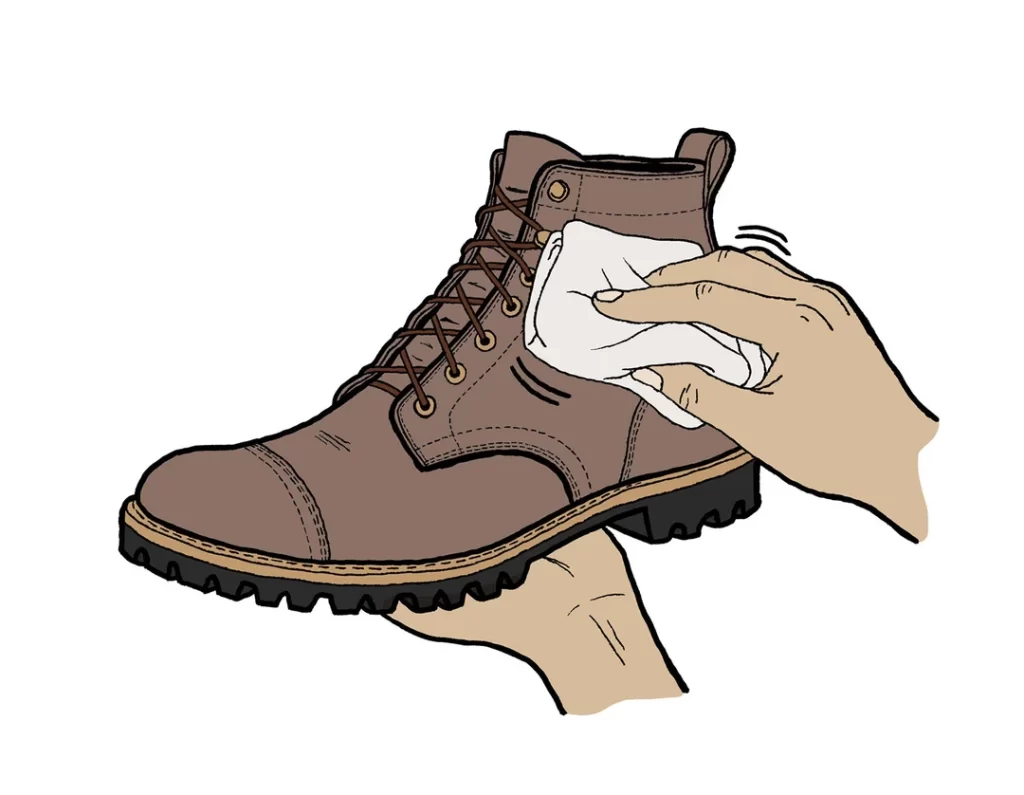
How to care for leather boots during the Kenyan rainy season starts with controlling moisture rather than simply trying to avoid every raindrop. Drying wet boots correctly, removing mud, conditioning the leather and avoiding direct heat can help protect their appearance and extend their useful life.
Leather boots can handle everyday wear remarkably well, but rain changes the care routine.
A pair that looks perfect at the start of the week can end up wet, muddy and covered in road dust after a few days of unpredictable weather. Nairobi rain can arrive during a commute, while muddy pavements and wet roads can leave marks on leather and soles.
That is why knowing how to care for leather boots matters.
The biggest mistake is often what happens after the rain stops.
Some people leave wet boots in a dark corner.
Others place them directly against a heater.
Some wait until mud has dried into a thick layer before cleaning it.
These habits can make leather look tired faster.
Learning how to care for leather boots properly does not require an elaborate routine. A few simple steps can help protect the leather through rainy weather.
How to Care for Leather Boots Before the Rainy Season
How to care for leather boots before regular rain begins means checking the leather, soles and stitching before they are repeatedly exposed to moisture. Cleaning and conditioning boots before the season can make ongoing maintenance easier.
Inspect your boots before the rainy period.
Look for:
- Dry-looking leather
- Existing cracks
- Loose stitching
- Worn soles
- Damaged heels
- Old mud around the welt or sole edge
- Areas where water may enter
Cleaning the boots before heavy rain begins gives you a better starting point.
For more guidance when choosing a suitable pair, read our guide to boots in Kenya.
How to Care for Leather Boots When They Get Wet
How to care for leather boots after they get wet depends on removing excess moisture gradually rather than forcing the boots to dry as quickly as possible. Leather generally benefits from controlled, natural drying.
When you arrive indoors:
- Remove excess surface water with a soft cloth.
- Remove loose mud where possible.
- Open the boots to improve airflow.
- Remove removable insoles if appropriate.
- Allow the boots to dry naturally.
- Keep them away from excessive direct heat.
Do not panic if your boots get caught in rain.
The most important thing is what you do next.
How to Care for Leather Boots: Never Use Extreme Heat
How to care for leather boots safely includes avoiding excessive direct heat because rapid drying can remove moisture from the leather and affect its flexibility. Heat can also affect adhesives and other materials used in the boot’s construction.
Avoid placing wet boots:
- Directly on a heater
- Against a hot radiator
- Under intense artificial heat
- Extremely close to an open flame
- Inside a hot enclosed space
The temptation to dry boots quickly is understandable.
However, rushing the drying process can create additional problems.
How to Care for Leather Boots: Stuff Them While Drying
How to care for leather boots while they dry includes supporting their shape. Clean paper can help absorb moisture and reduce the risk of the boot collapsing while wet.
After removing excess water, lightly stuff the boots.
Use:
- Clean unprinted paper
- Shoe trees where suitable
- Other moisture-absorbing boot supports designed for footwear
Do not overstuff the boots.
The purpose is to support the shape and help manage internal moisture.
Replace damp paper if it becomes heavily wet.
How to Care for Leather Boots After Walking Through Mud
How to care for leather boots after muddy conditions starts with removing loose mud before beginning detailed cleaning. Thick mud should not be aggressively rubbed across the leather surface.
Allow excess mud to become easier to remove.
Then use a soft brush or cloth to lift it away.
Pay attention to:
- The sole
- Tread patterns
- Stitching
- Sole edges
- Creases around the toe
Once the loose dirt is gone, assess whether further cleaning is needed.
How to Care for Leather Boots: Clean Gently
How to care for leather boots includes choosing cleaning methods appropriate for leather rather than treating the material like canvas or synthetic fabric. Gentle cleaning helps avoid unnecessary surface damage.
Start with the least aggressive method.
For routine dirt:
- Remove loose dust.
- Wipe the surface with a suitable soft cloth.
- Use a leather-appropriate cleaner when necessary.
- Allow the boots to dry naturally.
Do not soak leather boots.
Leather can absorb water, and excessive moisture can make drying more difficult.
If you also own casual canvas footwear, our guide on how to clean canvas shoes explains a different care routine for fabric uppers.
How to Care for Leather Boots: Condition the Leather
How to care for leather boots over the long term includes restoring appropriate conditioning after cleaning and drying. Leather conditioners can help maintain flexibility when used according to the product and boot manufacturer’s instructions.
Leather is a natural material.
Regular exposure to water, dirt and dry conditions can affect how it feels and looks.
A suitable leather conditioner may help prevent the leather from becoming excessively dry.
Apply only a product appropriate for your boot’s specific leather finish.
Before applying any conditioner:
- Clean the boots.
- Allow them to dry.
- Read the product instructions.
- Test on a less visible area where appropriate.
Do not assume one conditioner is suitable for every type of leather.
How to Care for Leather Boots Without Making Them Too Soft
How to care for leather boots requires balance because over-conditioning can also be undesirable. Use conditioning products only as needed and according to their instructions.
Applying conditioner every day is rarely necessary.
The right frequency depends on:
- How often the boots are worn
- How much rain they experience
- The leather type
- The climate
- The manufacturer’s recommendations
Inspect the leather instead of following an unnecessarily aggressive schedule.
How to Care for Leather Boots: Waterproofing and Water Resistance
How to care for leather boots during rainy weather may include using an appropriate water-resistant treatment, but no treatment should be assumed to make every boot completely waterproof. Product compatibility depends on the leather and construction.
A suitable protective treatment can help water bead on the surface and reduce moisture absorption.
However, before applying one:
- Confirm it is suitable for your leather type.
- Read the boot manufacturer’s guidance.
- Follow the treatment instructions.
- Test it on an inconspicuous area when appropriate.
Do not confuse water-resistant with waterproof.
A boot may still allow water to enter through:
- The tongue
- Seams
- The top opening
- Damaged stitching
- Construction gaps
How to Care for Leather Boots in Heavy Rain
How to care for leather boots after heavy rain requires more attention than after a few light drops. Remove surface moisture promptly and make sure the inside of the boot has enough airflow to dry completely.
If your boots become thoroughly wet:
- Remove them when indoors.
- Take out removable insoles.
- Blot excess moisture.
- Lightly support the shape.
- Allow natural airflow.
- Give the boots enough time to dry fully.
Do not wear damp boots again simply because the outside feels dry.
The interior may still contain moisture.
How to Care for Leather Boots and Prevent Cracking
How to care for leather boots to reduce cracking involves managing both excessive moisture and excessive dryness. Clean leather, proper drying and appropriate conditioning can help maintain flexibility.
Cracking can become more likely when leather repeatedly goes through harsh wet-and-dry cycles without suitable care.
A simple routine can help:
- Remove dirt.
- Dry naturally.
- Condition when appropriate.
- Avoid excessive heat.
- Store properly.
Existing damage may require professional repair depending on the severity.
How to Care for Leather Boots: Protect the Soles Too
How to care for leather boots is not only about the upper because muddy, wet conditions can also affect traction and wear on the sole. Regularly removing packed mud makes it easier to inspect the tread.
After walking in muddy conditions:
Check the sole.
Remove trapped mud carefully.
Inspect the tread.
Look for excessive wear.
Good grip matters during wet conditions.
Do not wait until the sole is completely worn before paying attention to it.
How to Care for Leather Boots in Nairobi Rain
How to care for leather boots in Nairobi involves dealing with a combination of rain, mud and dust. The same pair may become wet during a morning shower and dusty again after the roads dry.
This changing environment makes regular light maintenance useful.
After wearing the boots:
- Brush away dry dust.
- Remove mud.
- Wipe moisture.
- Allow airflow.
- Store them dry.
You do not need to perform a full conditioning routine after every wear.
Simple maintenance can be enough between deeper care sessions.
How to Care for Leather Boots: Don’t Leave Them in a Wet Bag
How to care for leather boots includes proper storage immediately after rain exposure. A damp boot should not be sealed inside a bag or closed container for extended periods.
Moisture needs an opportunity to escape.
After rain:
Remove the boots from enclosed spaces.
Open them.
Allow air circulation.
Make sure they are completely dry before long-term storage.
How to Care for Leather Boots: Avoid Soaking
How to care for leather boots safely means avoiding unnecessary soaking. Excess water can penetrate the leather and make the drying process more difficult.
Do not clean leather boots by:
- Submerging them in a basin
- Leaving them under running water
- Soaking them overnight
Controlled cleaning is generally preferable.
How to Care for Leather Boots With a Soft Brush
How to care for leather boots often begins with dry brushing because surface dust and loose dirt do not always require water or cleaning products. A soft brush can be an effective first step.
Brush gently.
Pay attention to:
- Seams
- Creases
- Sole edges
- The area around the tongue
Do not use a harsh brush designed for heavy industrial cleaning.
How to Care for Leather Boots: Store Them Properly
How to care for leather boots between rainy days includes storing them in a dry and ventilated place. Proper storage can help the boots retain their shape and avoid unnecessary moisture buildup.
Before storing:
- Make sure the boots are dry.
- Remove loose dirt.
- Support their shape if necessary.
- Keep them in a clean, dry location.
Avoid leaving heavy objects on top of leather boots.
How to Care for Leather Boots and Keep Their Shape
How to care for leather boots includes preventing unnecessary creasing and collapse when they are not being worn. Proper storage and suitable boot support can help maintain their original shape.
Tall boots may benefit from appropriate supports.
Ankle boots can often be stored upright or carefully placed on a shelf.
Do not force the shaft or upper into an unnatural position.
How to Care for Leather Boots: Common Rainy-Season Mistakes
How to care for leather boots becomes easier when you avoid common mistakes that expose leather to unnecessary stress. Most problems begin with excessive water, excessive heat or delayed cleaning.
Mistake 1: Leaving Mud on the Boots
Mud can dry and become harder to remove.
Mistake 2: Drying Them on Extreme Heat
Rapid drying can affect leather flexibility.
Mistake 3: Storing Boots While Damp
Trapped moisture can cause unpleasant odours and other issues.
Mistake 4: Using Any Household Cleaner
Not every cleaning product is suitable for leather.
Mistake 5: Over-Conditioning
Too much product may affect the appearance or feel of certain leather finishes.
Mistake 6: Ignoring the Sole
Mud and worn tread can affect grip.
Mistake 7: Wearing Damaged Boots Through Heavy Rain
Existing cracks or damaged construction can allow more water inside.
How to Care for Leather Boots: A Simple Weekly Routine
How to care for leather boots does not require a full deep-clean every week. A simple inspection and light maintenance routine can help identify problems before they become more noticeable.
After Rain
Wipe away moisture and allow natural drying.
After Mud
Remove loose mud and inspect the leather.
Once a Week During Frequent Rain
Check the boots for:
- Dirt buildup
- Dry areas
- Water marks
- Sole wear
- Loose stitching
When Needed
Clean and condition using suitable products.
How to Care for Leather Boots: Picassin Villena Boots
How to care for leather boots is especially important when you have a favourite pair that you wear regularly through changing weather. Proper cleaning and drying can help preserve the appearance of boots such as the Picassin Villena range.
If you are considering this style, read our Picassin Villena boots guide for more information on fit, styling and rainy-season wear.
Before using any conditioner or water-resistant treatment, check the material and care guidance supplied with your specific pair.
How to Care for Leather Boots: Fit Affects Wear
How to care for leather boots is connected to fit because boots that are significantly too tight or loose can experience unusual creasing, rubbing and wear. Choosing the right size is part of long-term footwear care.
If you are unsure about fit, our guide on how should sneakers fit explains useful principles that also apply when assessing general footwear comfort.
For UK, US and EU measurements, use our shoe size conversion Kenya guide.
How to Care for Leather Boots Compared With Sneakers
How to care for leather boots differs from caring for mesh, canvas and other sneaker materials because leather has different cleaning and conditioning needs. Always identify the upper material before selecting a care method.
Canvas usually requires controlled washing and brushing.
Leather requires careful cleaning and conditioning.
Technical mesh may require different cleaning products entirely.
For more everyday footwear options, read our guide to sneakers in Kenya.
How to Care for Leather Boots Through Multiple Rainy Seasons
How to care for leather boots over several seasons means building a consistent maintenance routine rather than waiting until visible damage appears. Regular small actions can be easier than restoring severely neglected leather.
The basic cycle is simple:
Wear.
Inspect.
Clean.
Dry.
Condition when necessary.
Store correctly.
Repeat.
The goal is not to keep boots looking untouched forever.
Leather naturally develops character through wear.
The goal is to prevent avoidable damage.
FAQ: How to Care for Leather Boots
How should I dry wet leather boots?
How to care for leather boots after they get wet involves blotting excess moisture, supporting their shape and allowing them to dry naturally in a ventilated area. Avoid extreme direct heat.
Can rain damage leather boots?
How to care for leather boots matters because repeated moisture exposure without proper drying and maintenance can affect leather and other boot materials.
Should I condition leather boots after every rain?
How to care for leather boots does not necessarily require conditioning after every exposure to rain. Condition according to the condition of the leather, product instructions and the boot manufacturer’s guidance.
Can I put wet leather boots in direct sunlight?
How to care for leather boots safely generally means avoiding excessive direct heat while drying. Follow the care guidance for your specific leather and boot construction.
How do I remove mud from leather boots?
How to care for leather boots after mud involves removing loose dirt carefully with a suitable soft brush or cloth before deeper cleaning.
Can I use any waterproof spray on leather boots?
How to care for leather boots with a protective treatment means choosing a product compatible with the specific leather finish and following the manufacturer’s instructions.
How often should I clean leather boots?
How to care for leather boots depends on how often they are worn and the conditions they experience. Light cleaning after visible dirt and deeper cleaning when necessary is usually more practical than unnecessary frequent washing.
What should I do if my leather boots become soaked?
How to care for leather boots after heavy rain involves removing excess moisture, opening the boots for airflow, supporting their shape and allowing them sufficient time to dry naturally.
Can I wash leather boots in a washing machine?
How to care for leather boots generally does not involve machine washing. Always follow the manufacturer’s care instructions because machine washing can expose footwear to excessive water and mechanical stress.
How do I stop leather boots from cracking?
How to care for leather boots to reduce cracking includes cleaning dirt away, avoiding excessive heat and conditioning the leather appropriately when needed.
Final Verdict
How to care for leather boots through the Kenyan rainy season is largely about what you do after exposure to rain. Remove moisture, clean away mud, avoid extreme heat and give the boots enough time to dry before wearing or storing them again.
The best routine is simple.
Do not leave wet boots forgotten in a corner.
Do not try to dry them instantly with extreme heat.
Do not allow thick mud to remain on the leather for days.
Instead:
Remove excess moisture.
Brush away dirt.
Allow natural airflow.
Condition the leather when appropriate.
Protect the boots with a compatible treatment when necessary.
Store them properly.
Learning how to care for leather boots can help you get more seasons from a favourite pair and keep them looking better through changing Kenyan weather.
Whether you wear Picassin Villena boots for everyday errands, work, weekends or rainy Nairobi days, a consistent care routine can make a genuine difference to how your boots age.
For more footwear guides and styles, explore the Euromoda shoes collection.