

Back to School Shoes: Picking a Pair That Survives the Whole Term
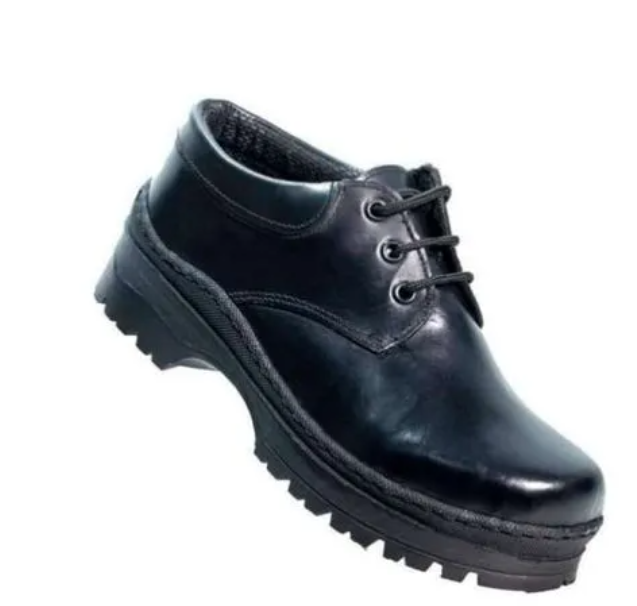
Buying back to school shoes is one of those tasks that looks simple until you remember what a school shoe goes through every day.
A child may walk to school, run during break time, play football after class, stand during assemblies, walk across dusty paths and occasionally step into muddy puddles. By the end of the term, a poorly made pair can look completely different from the shoes bought on opening day.
That is why choosing back to school shoes should not be based on appearance alone.
Parents and guardians need to consider durability, comfort, sizing, sole construction, material and the amount of walking the child does every day. A slightly more practical pair can offer much better value than a cheaper pair that needs replacing after a few weeks.
For Kenyan families, the decision can also depend on the school environment. A child in Nairobi may deal with long walks, dusty roads and rainy-season puddles, while another student may spend most of the day on a school compound.
This guide explains how to choose back to school shoes that can handle daily school life while keeping the purchase within a sensible KES budget.
Back to School Shoes: What Makes a Pair Last All Term
The best back to school shoes combine durable materials, a strong sole, comfortable construction and a proper fit. A shoe that looks good but cannot handle daily walking and school activities is rarely good value.
Durability begins with the materials.
Canvas can be practical for everyday casual school environments because it is lightweight and relatively easy to clean. Sneakers can provide additional cushioning and flexibility where school rules allow them.
Pay attention to the sole as well.
A sole that feels excessively thin may wear faster when the child walks long distances every day. A well-constructed sole should feel secure without making the shoe unnecessarily heavy.
The stitching is another important detail.
Look closely at:
- Stitching around the sole
- Seams around the upper
- Heel construction
- Toe reinforcement
- Lace eyelets
- Sole attachment
These small details can make a major difference in how back to school shoes perform during a full term.
Why Good Back to School Shoes Are Worth the Money
Good back to school shoes can save money over time because a durable pair may survive daily use better than several cheaper replacements. The goal should be value over the entire term, not simply the lowest price on the day of purchase.
Suppose one pair looks inexpensive but starts separating after several weeks.
You may have to buy another pair.
That means the initial saving disappears.
A better approach is to consider the expected lifespan of the shoe.
Ask:
Will these shoes handle daily school use?
Can the child walk comfortably in them?
Will they survive normal cleaning?
Is the sole suitable for the surfaces the child walks on?
These questions are more useful than looking at the price tag alone.
When comparing back to school shoes, think about cost per term rather than cost per purchase.
Back to School Shoes for Growing Feet
Children’s feet grow, so back to school shoes should provide enough room for comfortable movement without being so large that the child struggles to walk. Buying excessively oversized shoes can create comfort and stability problems.
Growing feet make school-shoe shopping slightly complicated.
Parents naturally want a pair that will last as long as possible.
However, buying shoes several sizes too large is not the solution.
The child should have enough room around the toes while the heel remains reasonably secure.
Check the fit while the child is standing.
Ask the child to walk around.
Look for:
- Toe room
- Heel stability
- Comfortable width
- No painful pressure points
- Secure fastening
- Natural walking movement
For more guidance, read How Should Sneakers Fit?.
Proper sizing is particularly important when choosing back to school shoes for younger children because they may not always explain exactly where a shoe is uncomfortable.
Back to School Shoes: Canvas vs Sneakers
Canvas shoes are lightweight and practical for everyday wear, while sneakers can provide more cushioning and support. The better choice depends on school rules, the child’s activities and how much walking the shoes must handle.
Canvas shoes can be a good option when the school environment allows them.
They are generally easy to wear and can work well for students who need lightweight footwear.
You can explore Canvas Shoes in Kenya for more information about canvas footwear.
Sneakers are another option.
They can be useful when a student walks considerable distances or participates in activities that require more flexible footwear.
Explore Sneakers in Kenya for a broader look at sneaker options.
However, always check the school’s footwear requirements before purchasing.
The most durable back to school shoes are still the wrong choice if they do not meet the school’s dress code.
Back to School Shoes for Daily Walking
Students who walk long distances need back to school shoes that balance durability with comfort. A lightweight shoe with a secure fit and practical sole can make daily commuting easier.
Consider the child’s journey to school.
Does the student:
- Walk 10 minutes?
- Walk 30 minutes?
- Walk more than an hour?
- Use public transport?
- Walk on paved roads?
- Walk on dirt roads?
A child walking several kilometres every day places more demands on footwear than a child who travels by car.
For long-distance walking, avoid unnecessarily heavy shoes.
The shoe should also bend naturally where the foot bends.
A secure heel and comfortable upper can reduce irritation during repeated walking.
This is why choosing back to school shoes should involve more than simply checking whether the shoe looks smart.
Back to School Shoes for Primary School Children
Primary school children usually need back to school shoes that are durable, comfortable and easy to put on and remove. Younger children also benefit from secure fastening and materials that can handle frequent cleaning.
Primary school life can be rough on footwear.
Children may run during break time and spend a lot of time outdoors.
They may also be less careful about where they step.
For younger children, practical features can include:
- Strong soles
- Reinforced toes
- Secure fastening
- Comfortable interiors
- Easy-to-clean materials
- Appropriate flexibility
Parents should also inspect the shoes regularly.
A small tear can become a major problem if it is ignored for several weeks.
Checking back to school shoes periodically helps identify problems before the child needs an emergency replacement.
Back to School Shoes for Teenagers
Teenagers often want school footwear that looks stylish while remaining practical enough for daily use. The best back to school shoes for older students balance appearance, comfort and durability.
Teenagers may be more particular about appearance.
They may prefer sneakers, canvas shoes or certain silhouettes.
However, fashion should not completely override practicality.
Look for shoes that:
- Fit correctly
- Match school requirements
- Are comfortable for walking
- Have a durable sole
- Can be cleaned easily
- Work with the student’s uniform
A stylish shoe that causes discomfort every morning is not a good purchase.
The ideal back to school shoes should make the student feel comfortable and confident while meeting school requirements.
Back to School Shoes for Nairobi Students
Nairobi students may need back to school shoes that cope with dust, heavy walking and changing weather conditions. Practical materials, good grip and easy cleaning are particularly useful for students travelling across the city.
Nairobi school commutes can vary significantly.
One student may walk from a residential estate to school.
Another may take a matatu and still walk several blocks.
Some students may encounter muddy paths during rainy weather.
For these conditions, consider footwear with:
- Good sole grip
- Durable construction
- Easy-clean materials
- Secure fastening
- Comfortable cushioning
A shoe that performs well on a school compound may not necessarily be ideal for a long commute.
Consider the student’s complete daily routine when selecting back to school shoes.
How to Choose the Right Size
Correct sizing is one of the most important factors when buying back to school shoes because both tight and excessively loose footwear can become uncomfortable. Measure the child’s feet and check the manufacturer’s sizing guidance where available.
Do not assume that the same numerical size fits every brand identically.
Different manufacturers can use slightly different sizing systems and shoe shapes.
Measure both feet because one foot may be slightly larger than the other.
When trying the shoes:
- Have the child stand upright.
- Check toe room.
- Check the width.
- Check the heel.
- Ask the child to walk.
- Look for rubbing or pressure.
- Make sure the fastening is secure.
Our Shoe Size Conversion Kenya guide can also help when comparing different sizing systems.
Remember that buying back to school shoes slightly larger does not automatically mean they will last longer.
How Much Should You Spend on Back to School Shoes?
There is no single correct KES budget for back to school shoes because prices vary by brand, material, construction and current promotions. Instead, compare durability, fit and expected use against the price.
A practical budget starts with the child’s needs.
If the student walks long distances every day, spending slightly more on durable footwear may make sense.
If the shoe is only used occasionally, a simpler option may be sufficient.
Parents should compare:
- Material quality
- Sole construction
- Brand
- Fit
- Expected durability
- School requirements
- Current promotional price
Do not assume the most expensive back to school shoes are automatically the best.
Likewise, the cheapest pair is not always the best value.
Look for the best balance between price and performance.
How to Make Back to School Shoes Last Longer
Even durable back to school shoes need proper care. Regular cleaning, allowing shoes to dry naturally and avoiding unnecessary abuse can significantly improve their useful life.
Children’s shoes often deteriorate faster because of poor maintenance rather than normal wear alone.
Teach students to:
- Remove excess dirt regularly
- Dry wet shoes properly
- Avoid storing damp shoes
- Keep shoes away from excessive heat
- Clean according to the material
- Rotate footwear when possible
Do not place wet shoes directly against intense heat in an attempt to dry them quickly.
Excessive heat can damage some materials and adhesives.
For canvas footwear, read How to Clean Canvas Shoes for practical cleaning guidance.
Proper maintenance can help back to school shoes stay presentable for longer.
How to Check School Shoes Before Buying
A quick inspection before buying back to school shoes can help you identify construction problems before you spend your money. Check the sole, stitching, interior, fastening system and overall finish.
Turn the shoe over.
Look at the sole.
Does it appear securely attached?
Check the stitching.
Are there loose threads?
Press the upper gently.
Does it feel excessively weak?
Check the inside.
Are there rough areas that could rub against the foot?
Test the fastening system.
Laces should hold securely, while other fastening systems should close properly.
If possible, have the child walk in the shoes.
This simple inspection can prevent many problems associated with poorly selected back to school shoes.
Seven Smart Back to School Shoes Buying Tips
The easiest way to choose back to school shoes is to focus on seven practical factors: durability, fit, comfort, sole quality, school rules, maintenance and value. These checks help parents avoid unnecessary replacements during the term.
1. Check the School Rules
Before shopping, confirm whether the school requires a specific colour or shoe style.
2. Prioritise Fit
A shoe must fit the child properly.
3. Inspect the Sole
Look for a practical sole suited to the child’s daily activities.
4. Check the Stitching
Pay attention to areas likely to experience stress.
5. Consider the Material
Choose material appropriate for the child’s environment.
6. Think About Maintenance
A shoe that is easy to clean can be more practical for everyday school use.
7. Consider the Full-Term Cost
Do not judge back to school shoes purely by their initial purchase price.
Back to School Shoes for Different School Routines
Different students place different demands on their back to school shoes. The best pair for a short commute may not be the best pair for a student who walks several kilometres or spends significant time outdoors.
Short Commute
A comfortable everyday canvas shoe may be sufficient where school rules allow it.
Long Commute
Prioritise cushioning, fit, durability and sole quality.
Active Student
Choose footwear that can handle more movement.
Mostly Indoor Student
Comfort and school compliance may be more important than extreme durability.
Rainy Environment
Consider materials and soles that are practical for wet conditions.
Understanding the student’s routine makes choosing back to school shoes much easier.
Common Back to School Shoes Mistakes
Many school-shoe problems come from avoidable buying mistakes such as choosing the wrong size, ignoring school rules or buying based entirely on appearance. Avoiding these errors can save money during the term.
Buying Too Large
Parents sometimes buy excessively large shoes because children are growing.
A little room is useful.
Too much room can make walking uncomfortable.
Buying Too Small
A tight shoe can become uncomfortable quickly.
Ignoring the Sole
The sole is critical for daily use.
Choosing Style Over Comfort
A fashionable shoe is not useful if the student cannot comfortably wear it throughout the day.
Ignoring the School Dress Code
Always confirm requirements first.
Buying Without Testing the Fit
If possible, have the child walk in the shoes before purchasing.
These mistakes can turn otherwise promising back to school shoes into disappointing purchases.
How to Build a Practical School Shoe Rotation
If the budget allows, having more than one pair of back to school shoes can reduce daily wear and give wet footwear time to dry. Even a simple two-pair rotation can be useful for active students.
For example:
Pair One: Everyday school shoes.
Pair Two: Backup pair.
The student can alternate them when practical.
This is particularly helpful during rainy weather.
If one pair becomes wet, the other can be used while the first dries naturally.
However, families should not feel pressured to buy multiple pairs if the budget does not allow it.
One well-maintained pair of back to school shoes can still provide good service when properly selected and cared for.
When Should You Replace Back to School Shoes?
Back to school shoes should be replaced when they no longer provide a secure, comfortable or functional fit. Visible damage, worn soles and significant discomfort are signs that the shoes have reached the end of their useful life.
Look for:
- Holes
- Detached soles
- Severe sole wear
- Broken fastening
- Internal damage
- Persistent discomfort
- Outgrown sizing
Do not wait until the shoe completely falls apart.
A damaged sole can affect comfort and stability.
Similarly, if a child’s feet have grown significantly, even an otherwise excellent pair may need replacing.
Regularly checking back to school shoes can help parents plan purchases instead of replacing footwear unexpectedly.
How to Shop for Back to School Shoes on a Budget
Budget shopping works best when parents compare quality and versatility rather than simply searching for the cheapest pair. Planning early can also give families more time to compare available options and promotions.
Create a shopping checklist.
Write down:
- Required colour
- Required style
- Child’s current size
- Expected growth
- Daily walking distance
- School activities
- Available budget
Then compare suitable options.
Avoid buying shoes simply because they are discounted if they do not meet the student’s needs.
A discount is only useful when the product is suitable.
When planning back to school shoes, value should always come before impulse.
FAQ About Back to School Shoes
What are the best back to school shoes?
The best back to school shoes are durable, comfortable, properly fitted and suitable for the school’s dress code. The ideal choice depends on the child’s age, daily routine and school requirements.
How long should school shoes last?
Good back to school shoes should ideally withstand regular school use for an extended period, but actual lifespan depends on construction, frequency of use, walking distance and maintenance.
Should I buy school shoes one size bigger?
Back to school shoes should not be excessively oversized. Choose enough room for comfortable growth while maintaining a secure and stable fit.
Are canvas shoes good for school?
Canvas shoes can be practical back to school shoes where the school allows them. They are lightweight and can be suitable for everyday casual use.
Are sneakers good back to school shoes?
Sneakers can make good back to school shoes when permitted by the school. They can be useful for students who walk long distances or require flexible footwear.
How do I know if school shoes fit properly?
Back to school shoes should provide comfortable toe room, a secure heel and enough width without painful pressure. Have the child walk around when checking the fit.
How can I make school shoes last longer?
Regular cleaning, proper drying, correct storage and avoiding unnecessary abuse can help back to school shoes last longer.
What should I check before buying school shoes?
Check the sole, stitching, material, fastening system, interior and fit. These details can reveal whether the back to school shoes are suitable for daily use.
Should I buy two pairs of school shoes?
Two pairs of back to school shoes can be useful if the budget allows it. A rotation gives one pair time to dry and can reduce continuous wear.
What should I do if my child’s school shoes get wet?
Allow wet back to school shoes to dry naturally in a well-ventilated place. Avoid excessive direct heat that could damage certain materials or adhesives.
How much should school shoes cost in Kenya?
There is no universal KES price for back to school shoes because cost varies according to brand, material, construction and promotions. Compare quality and expected lifespan rather than price alone.
When should I replace school shoes?
Replace back to school shoes when they are badly worn, damaged, uncomfortable or no longer fit properly. Waiting until severe damage can create unnecessary problems.
Final Verdict
The best back to school shoes are not necessarily the cheapest or most expensive pairs. They are the shoes that provide the right combination of durability, comfort, fit and value for the student’s daily routine.
Before buying, consider where the child walks, how active they are, what the school requires and how quickly their feet are growing.
Check the sole.
Inspect the stitching.
Test the fit.
Consider the material.
And think beyond the first day of school.
For students who need lightweight everyday footwear, canvas can be a practical option. For students who need additional cushioning and flexibility, suitable sneakers may be worth considering where school rules permit them.
Most importantly, do not buy back to school shoes based on appearance alone.
A good pair should survive the realities of school life: walking, running, dust, occasional rain, repeated cleaning and months of everyday use.
When you choose carefully and maintain the shoes properly, your back to school shoes have a much better chance of making it through the whole term comfortably and looking presentable.