

Mizuno Kenya: Ultimate 2026 Buyer’s Guide to Trainers
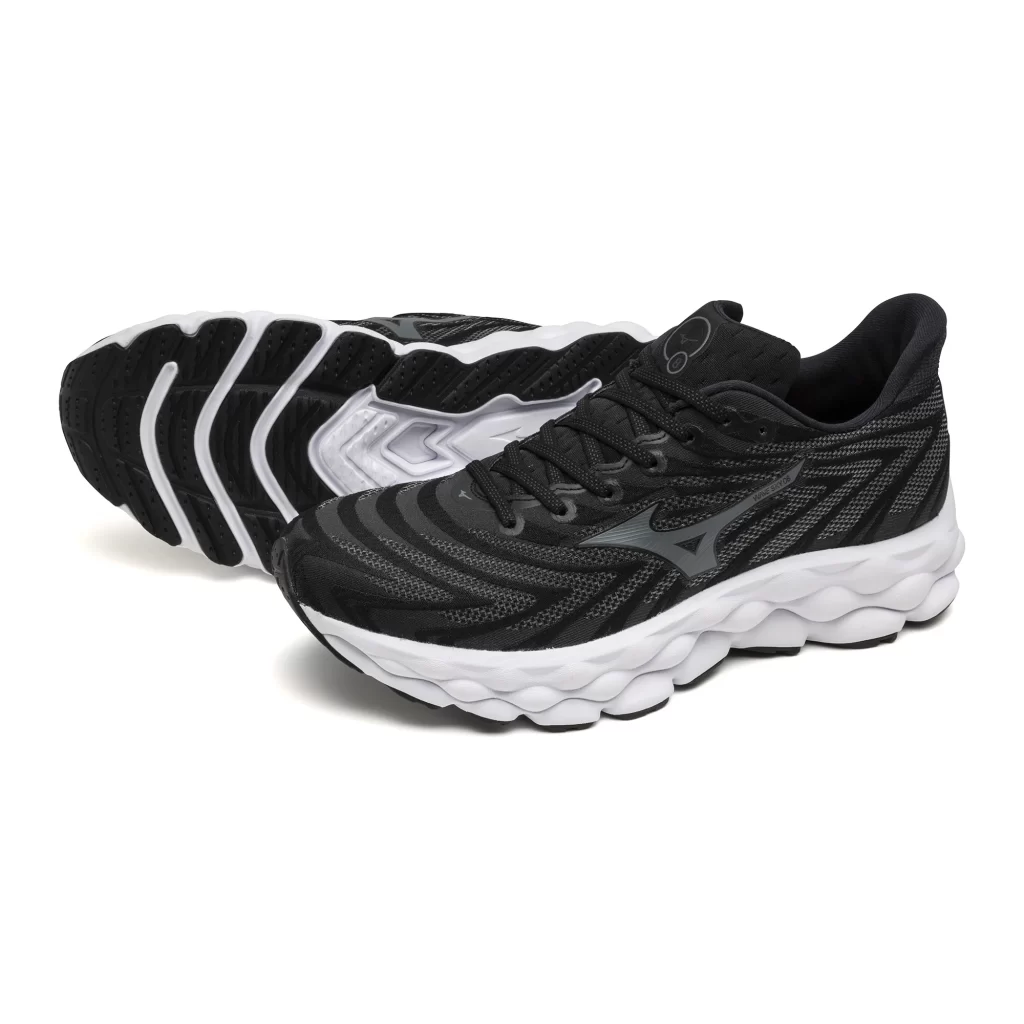
Mizuno trainers are known for combining cushioning, stability, responsive ride characteristics and sport-specific construction across running and court footwear. For shoppers comparing Mizuno Kenya options, the right trainer depends on whether you need a daily running shoe, long-distance trainer, tennis shoe, volleyball shoe or versatile sports sneaker.
Mizuno’s footwear range includes several technologies and model families, so buying by brand name alone is not enough. Your running surface, foot shape, training frequency, preferred cushioning and intended sport should determine the model you choose.
For Kenyan buyers, local conditions also matter. Nairobi road running, indoor court sessions, coastal humidity and trail or mixed-surface training can place very different demands on footwear.
What Are Mizuno Trainers Best Known For?
Mizuno trainers are best known for combining responsive cushioning, structured support and sport-specific engineering. Running models are designed around different levels of cushioning and stability, while court shoes prioritize grip, lateral movement and controlled foot positioning.
Mizuno is particularly associated with its Wave technology.
The Wave concept uses a structured midsole design intended to influence cushioning and stability while maintaining a responsive feel.
Depending on the model, Mizuno trainers may emphasize:
- Daily road running
- Long-distance comfort
- Stability
- Speed training
- Court movement
- Lateral support
- Shock absorption
- Responsiveness
This means there is no single “best Mizuno trainer.”
The best shoe is the one that matches your activity.
A runner completing regular road miles around Nairobi may need a very different shoe from a tennis player making repeated lateral movements on a hard court.
How Do You Choose the Right Mizuno Kenya Trainer?
Choose a Mizuno trainer according to your sport, running surface, distance, cushioning preference and required support. Start with the activity you perform most frequently, then compare Mizuno models designed specifically for that purpose.
Use this basic guide:
| Your Main Activity | What to Prioritize |
|---|---|
| Daily road running | Balanced cushioning and durability |
| Long-distance running | Cushioning, comfort and stable transitions |
| Speed training | Responsiveness and lower weight |
| Tennis | Lateral stability and court traction |
| Volleyball | Grip, cushioning and lateral support |
| Walking | Comfort and cushioning |
| Gym training | Stable platform and versatile traction |
Don’t buy a running shoe simply because it looks attractive.
Running shoes are engineered around forward movement.
Court shoes need to cope with rapid sideways movement, stopping and changes of direction.
That distinction can affect both comfort and performance.
Mizuno Kenya: Which Mizuno Running Shoe Should You Buy?
Mizuno offers several running-shoe families, with different models designed around cushioning, stability, responsiveness and training requirements. Popular families such as Wave Rider, Wave Inspire and Wave Sky provide different approaches to everyday running and cushioning.
Mizuno Wave Rider
The Wave Rider is one of Mizuno’s best-known neutral running families.
It is generally positioned as a versatile road-running trainer.
It can suit:
- Daily training
- Easy runs
- Moderate-distance sessions
- Road running
- Runners who prefer a responsive feel
Mizuno Wave Inspire
The Wave Inspire is designed with additional stability characteristics compared with neutral running shoes.
It may appeal to runners who prefer a more structured platform.
Mizuno Wave Sky
The Wave Sky family focuses more heavily on cushioning and comfort.
It can be attractive to runners who want a softer, more substantial ride for longer sessions.
The important point is that model names do not tell the entire story.
Different generations can have different specifications, so always check the exact version you are buying.
Mizuno Kenya Wave Rider vs Wave Inspire
Wave Rider is generally aimed at neutral runners who want a versatile daily trainer, while Wave Inspire is designed with greater stability characteristics. Your choice should depend on your running mechanics and how the shoe feels during movement rather than the model’s popularity alone.
| Feature | Wave Rider | Wave Inspire |
|---|---|---|
| General Category | Neutral daily trainer | Stability-oriented trainer |
| Typical Use | Daily road running | Daily running with added structure |
| Ride | Responsive and balanced | Structured and supportive |
| Best For | Neutral runners | Runners preferring stability |
| Surface | Road | Road |
| Long Runs | Suitable | Suitable |
| Speed Sessions | Suitable depending on model | Suitable depending on model |
If you have no reason to seek additional stability, don’t assume you need a stability shoe.
Likewise, if you consistently prefer a structured platform, a neutral shoe may not provide the feel you want.
Are Mizuno Kenya Trainers Good for Kenyan Roads?
Mizuno road-running trainers can be suitable for Kenyan urban running because their road models are designed for repeated contact with hard surfaces. For Nairobi runners, cushioning, outsole durability, fit and traction should be considered because routes can include smooth tarmac, concrete, uneven pavements and wet sections.
Nairobi runners may encounter a mixture of surfaces during one training session.
Your route could include:
- Tarmac
- Concrete
- Estate roads
- Pavements
- Park paths
- Light gravel
A road trainer is generally appropriate when the majority of your running is on paved surfaces.
However, road shoes should not automatically be used for technical trails.
If your regular route includes rocks, mud and loose terrain, a dedicated trail shoe is usually more appropriate.
Are Mizuno Kenya Trainers Good for Long-Distance Running?
Mizuno produces cushioned running trainers that can be suitable for long-distance training when their fit and ride characteristics match the runner. Long-distance buyers should prioritize comfortable cushioning, secure heel fit, adequate forefoot space and an outsole capable of handling repeated mileage.
Long runs expose small footwear problems.
A shoe that feels acceptable for 5 km can become uncomfortable after 20 km.
Before committing to a long-distance trainer, check:
- Heel security
- Midfoot support
- Toe-box space
- Cushioning
- Weight
- Breathability
- Outsole durability
Also consider the Kenyan climate.
Nairobi’s cooler mornings can make a moderately cushioned shoe comfortable for longer runs, while warmer conditions may increase the importance of ventilation.
Mizuno Kenya: How Should Mizuno Trainers Fit?
A Mizuno trainer should hold the heel securely while providing enough room for the toes to move naturally. Try the shoes with your usual running socks and leave sufficient space in front of the longest toe, especially when buying footwear for long-distance running.
A good fit should feel secure without being restrictive.
Check:
Heel
Your heel should not move excessively inside the shoe.
Midfoot
The upper should secure your foot without creating uncomfortable pressure.
Forefoot
Your toes should have room to spread naturally.
Toe clearance
Your longest toe should not press against the front of the shoe.
Width
If the standard width feels tight, look for an appropriate wider option rather than simply increasing length.
Do not assume your Mizuno size will be identical to every other shoe brand.
Footwear shapes vary.
Mizuno Kenya: Running Trainers vs Court Trainers
Mizuno running trainers are optimized primarily for forward movement, while Mizuno court shoes are designed for rapid lateral movement, stopping and changing direction. Tennis and volleyball players should therefore choose sport-specific court footwear rather than using a road-running trainer.
The difference is important.
Running shoes
Generally prioritize:
- Forward transitions
- Cushioning
- Road traction
- Repeated impact
- Lightweight construction
Court shoes
Need to prioritize:
- Lateral stability
- Court grip
- Controlled foot movement
- Reinforced upper construction
- Rapid stopping
If you play volleyball several times a week, a running shoe is not necessarily a suitable replacement for a volleyball trainer.
What Mizuno Kenya Trainers Are Suitable for Court Sports?
Mizuno produces sport-specific footwear for activities such as volleyball and tennis, where lateral stability and court traction are important. Choose the shoe according to the specific court sport because movement patterns and traction requirements differ.
For volleyball, consider:
- Indoor court grip
- Lateral support
- Cushioning
- Lightweight construction
- Secure heel fit
For tennis, consider:
- Lateral stability
- Outsole durability
- Court-specific traction
- Toe protection
- Secure upper construction
A tennis court creates different forces from a normal road-running route.
That is why specialized court shoes exist.
How Does Mizuno Kenya Wave Technology Work?
Mizuno Wave is a structural midsole technology used across various Mizuno footwear models to influence cushioning and stability. The exact implementation varies between models, so buyers should examine the specifications of the specific shoe rather than assuming every Wave shoe feels identical.
The Wave concept is part of Mizuno’s approach to managing movement under the foot.
Different shoes can have different:
- Midsole geometries
- Foam compounds
- Stack heights
- Heel-to-toe drops
- Outsole designs
- Upper constructions
Consequently, two Mizuno trainers can feel noticeably different.
This is why trying on the actual model is preferable when possible.
Mizuno Kenya Prices: How Much Do Mizuno Trainers Cost?
Mizuno trainer prices in Kenya vary according to the model, generation, sport, materials, seller and current discounts. Older-generation shoes can offer strong value when retailers clear remaining inventory, while newer performance models generally occupy a higher price tier.
When comparing prices, look at the exact:
- Model
- Generation
- Size
- Colourway
- Product condition
- Seller
- Warranty or return terms
A discounted previous-generation Wave Rider can sometimes make more financial sense than buying the newest version simply because it is newer.
The key is to compare like with like.
How Can You Buy Genuine Mizuno Kenya in Kenya?
Buy genuine Mizuno trainers from a credible retailer and verify the product’s labels, construction, branding, model information and packaging where applicable. A low price alone does not prove that a product is counterfeit or genuine, so several authenticity indicators should be considered together.
Before paying, inspect:
- Mizuno branding
- Internal size label
- Product code
- Shoe model
- Box information
- Stitching
- Midsole construction
- Outsole pattern
- Materials
- Seller information
The model displayed in the advertisement should correspond with the physical product.
Be cautious when:
- Product information is incomplete
- Photos appear inconsistent
- The seller refuses basic questions
- The price is dramatically below comparable products
- There is no clear exchange or return policy
A genuine discount can exist.
But you should still know what you are buying.
How Do You Spot Fake Mizuno Kenya Trainers?
Counterfeit Mizuno trainers may show inconsistencies in branding, stitching, labels, product codes, materials or construction. Authenticity should be evaluated using several product details and the credibility of the seller rather than relying on the logo alone.
Check the following.
Mizuno logo
Branding should be clean and correctly positioned for the specific model.
Internal label
Check:
- Size
- Product information
- Country/manufacturing information where applicable
- Model identification
Outsole
The outsole pattern should correspond with the model.
Midsole
Look for appropriate shaping and finishing.
Stitching
Uneven or poorly finished stitching may indicate poor-quality manufacturing.
Packaging
When supplied, the box and shoe information should correspond.
No single check proves authenticity.
Use multiple signals.
Mizuno Kenya: How Does Climate Affect Your Choice?
Kenyan climate should influence the Mizuno trainer you choose, particularly when comparing Nairobi’s cooler and variable conditions with humid coastal environments. Breathability, drying time, grip and material selection become increasingly important in warm or humid conditions.
Nairobi
Nairobi runners often experience:
- Cool mornings
- Warmer afternoons
- Rainy periods
- Mixed road conditions
A breathable road trainer with reliable outsole traction can be useful.
Mombasa and Diani
The coastal environment is considerably more humid.
Prioritize:
- Breathable uppers
- Moisture management
- Quick drying
- Secure fit
Wet conditions can also make outsole traction more important.
Nakuru and Rift Valley
Cooler conditions may make slightly warmer or more structured footwear comfortable for some runners.
The most important factor remains your actual activity.
Mizuno Kenya Trainers for Walking
Mizuno running trainers can also be comfortable for walking when the cushioning, fit and geometry suit the wearer. However, people who primarily walk should choose based on walking comfort rather than assuming that the most advanced running model is automatically the best walking shoe.
Walking shoes should provide:
- Comfortable cushioning
- Secure heel fit
- Appropriate flexibility
- Adequate toe room
- Durable outsole
If you spend long hours standing, comfort becomes particularly important.
Try walking around before purchasing where possible.
Pay attention to whether the shoe creates pressure points after several minutes rather than judging it after only a few steps.
How Should You Care for Mizuno Kenya Trainers?
Clean Mizuno trainers gently, allow them to dry naturally and avoid excessive heat that could affect adhesives, foam or synthetic materials. Proper maintenance is particularly important in Kenya where dust, rain and humidity can expose footwear to challenging conditions.
After a muddy or wet run:
- Remove loose dirt.
- Brush the outsole gently.
- Wipe the upper.
- Remove excess moisture.
- Let the shoes air dry.
- Avoid direct high heat.
- Store them in a dry, ventilated location.
Do not machine-wash footwear unless the manufacturer specifically permits it.
Also rotate running shoes when possible.
Giving shoes time between sessions can help them dry properly.
How Long Do Mizuno Kenya Running Shoes Last?
The useful life of a Mizuno running shoe depends on mileage, runner weight, running surface, gait, shoe construction and maintenance. Instead of relying only on a fixed mileage number, monitor the outsole, midsole cushioning, upper and your changing comfort.
Watch for:
- Excessive outsole wear
- Flattened midsole foam
- New discomfort
- Uneven compression
- Damaged upper
- Reduced traction
- Loss of cushioning
A shoe can look acceptable while its cushioning has deteriorated.
Conversely, a lightly used shoe may remain in good condition longer.
Your own running experience is an important indicator.
Mizuno Kenya: What Should Beginners Buy?
Beginners should generally choose a comfortable, versatile Mizuno daily trainer rather than a specialized racing or court shoe. Fit, cushioning, stability and intended running surface matter more than choosing the most expensive model.
For a beginner running primarily on roads, look for:
- Comfortable cushioning
- Secure fit
- Moderate weight
- Reliable traction
- Appropriate stability
- Breathable upper
If you are uncertain about your requirements, start with your actual running habits.
Ask:
Where do I run?
How far do I run?
How frequently do I run?
Do I prefer soft or responsive cushioning?
Do I need additional stability?
These questions narrow the selection considerably.
Mizuno Kenya Trainer Specifications Table
Mizuno trainers differ by model, so the table below provides a buyer’s framework rather than claiming identical specifications across the entire range. Always verify the exact model specifications before purchasing.
| Parameter | Specification / Standard |
|---|---|
| Brand | Mizuno |
| Core Technology | Mizuno Wave and model-specific cushioning technologies |
| Primary Use | Running, training and court sports depending on model |
| Cushioning | Model-specific foam and midsole construction |
| Support | Neutral or stability-oriented depending on model |
| Fit Profile | Model-specific standard or wider options |
| Heel-to-Toe Drop | Model-specific |
| Recommended Climate | Nairobi, coastal Kenya and other Kenyan environments with model selection adjusted accordingly |
| Surface | Road or court depending on footwear |
| Maintenance | Air dry naturally and follow manufacturer’s care instructions |
| Authenticity | Verify labels, model details, construction and seller |
Where Can You Find Sports and Casual Footwear?
A wider footwear selection makes it easier to compare running, court and lifestyle shoes according to your actual needs. Buyers should separate technical sports footwear from casual shoes and select the category that matches their intended activity.
You can browse the Euromoda shoe collection when comparing available footwear.
For a broader shopping selection, visit the Euromoda online shop.
If you’re building a casual sportswear outfit around your trainers, you can also browse the T-shirt collection and jacket collection.
FAQ: Mizuno Kenya
Are Mizuno Kenya trainers good for running?
Yes. Mizuno produces running trainers for daily training, long-distance running, stability-focused running and faster sessions. Choose the model according to your running style, surface and cushioning preference.
Which Mizuno Kenya shoe is best for beginners?
A versatile daily road trainer such as a Wave Rider-type model can be a sensible starting point for a neutral runner. Beginners should prioritize fit and comfort rather than choosing a specialized racing shoe.
Is Mizuno Wave Rider good for daily running?
Wave Rider is designed as a versatile daily running shoe and can suit runners looking for a balanced combination of cushioning and responsiveness. Always check the exact generation because specifications can change between versions.
What is the difference between Mizuno Kenya Wave Rider and Wave Inspire?
Wave Rider is generally positioned as a neutral daily trainer, while Wave Inspire provides additional stability characteristics. The appropriate choice depends on your individual running needs and preferred ride.
Are Mizuno Kenya shoes good for tennis?
Mizuno produces sport-specific court footwear that can be suitable for tennis, but runners should not substitute road-running shoes for tennis shoes. Tennis footwear needs lateral stability, court traction and appropriate durability.
How much do Mizuno Kenya trainers cost ?
Mizuno prices vary according to model, generation, sport, seller and discounts. Comparing the exact model and generation gives a more useful price comparison than looking at the brand generally.
How can I tell if Mizuno Kenya trainers are genuine?
Check the product code, internal labels, branding, outsole, midsole, construction, packaging and seller information. Use several authenticity indicators together rather than relying on one feature.
Are Mizuno Kenya trainers good for walking?
Many Mizuno trainers can be comfortable for walking because of their cushioning and supportive construction. However, choose based on walking comfort and fit if walking is your primary activity.
Final Thoughts on Mizuno Kenya
Mizuno Kenya offers a broad range of trainers for runners and court-sport athletes, with different models emphasizing cushioning, stability, responsiveness and sport-specific traction. The best Mizuno trainer is determined by your activity, surface, foot shape, preferred ride and budget rather than the brand name alone.
For daily road running, investigate versatile Mizuno running families.
For runners wanting additional structure, compare stability-oriented models.
For long-distance training, prioritize cushioning, fit and durability.
For tennis or volleyball, choose dedicated court footwear.
And when buying at a discount, verify the exact model and authenticity before paying.
A good deal is not simply a low price.
It is the right genuine shoe, in the right size, for the right activity, at a price that represents genuine value.
Contact Details
Email: info@euromoda.ke
Call/WhatsApp: +254 700 000 000 | +254 711 000 000
Location: Euromoda Flagship Store, Westlands / CBD, Nairobi, Kenya
Website: https://euromoda.ke/
Delivery: Same-day VIP delivery within Nairobi. Express 24–48 hour delivery countrywide to Mombasa, Kisumu, Nakuru, Eldoret, Diani and Thika.